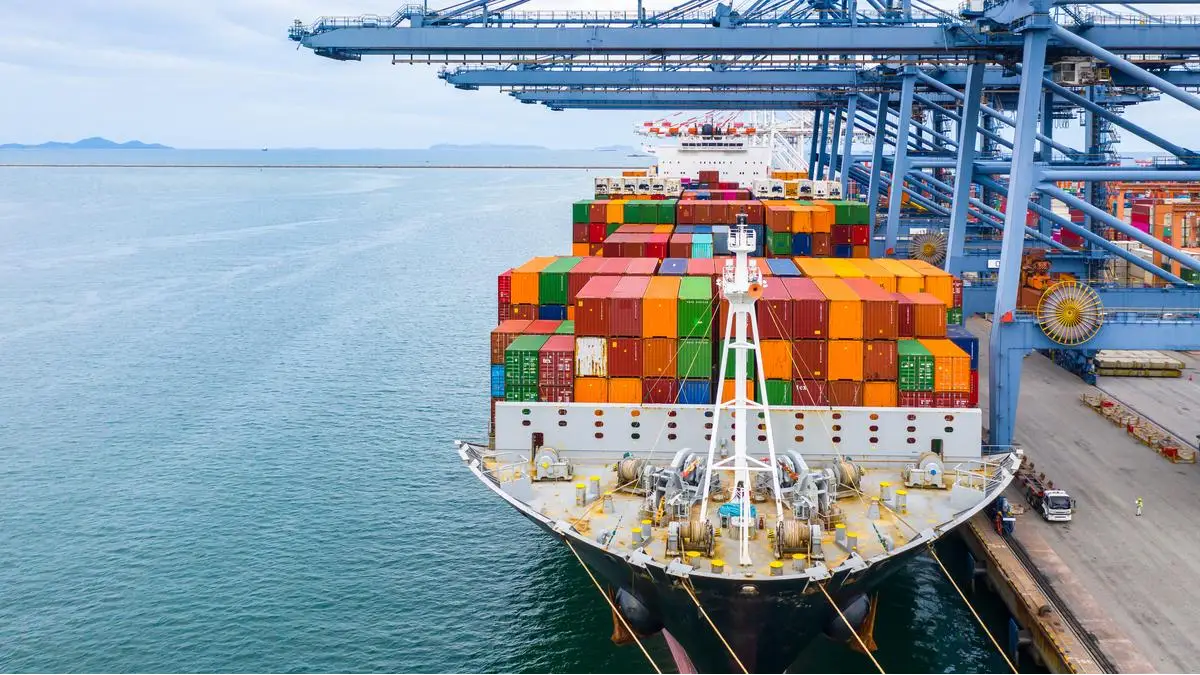
New Delhi : India and China are among 60 economies that could face fresh tariffs from the United States after Washington proposed duties of up to 12.5% on imports linked to countries. The proposed action, announced by the Office of the United States Trade Representative (USTR), comes under Section 301 of the US Trade Act of 1974, the same law that was used to impose tariffs on Chinese imports during President Donald Trump’s first term.
The move is still under review and no final decision has been taken. However, if implemented, it could affect a wide range of imports into the United States and add another layer of uncertainty to global trade. The USTR has proposed additional tariffs of up to 12.5% on imports from 60 economies, including India, China, Japan, South Korea, the United Kingdom and several Southeast Asian nations.
Under the proposal, countries that have adopted a full or partial prohibition on forced labour-linked imports could face a 10% tariff. Countries that have not implemented such prohibitions could face a higher tariff of 12.5%. US Trade Representative Jamieson Greer said the failure of major trading partners to address imports linked to forced labour had created an uneven playing field for American workers.
In its findings on India, the USTR said the country had “failed to impose and effectively enforce a forced labor import prohibition” and concluded that India’s policies and practices burden or restrict US commerce. The USTR argues that goods produced using forced labour can enter global supply chains at lower costs, creating unfair competition for businesses and workers in countries that enforce stricter labour standards.
The law gained global attention during Donald Trump’s first term when it became the basis for tariffs imposed on hundreds of billions of dollars worth of Chinese goods. The latest investigations were launched on March 12, 2026 and covered economies accounting for roughly 99.4% of total US imports. The investigations examined whether governments had failed to prohibit or effectively restrict imports of goods produced wholly or partly using forced labour.
Read Also : How An RCB Fan From The UK Fell In Love With India: 6,880 Km For One Match