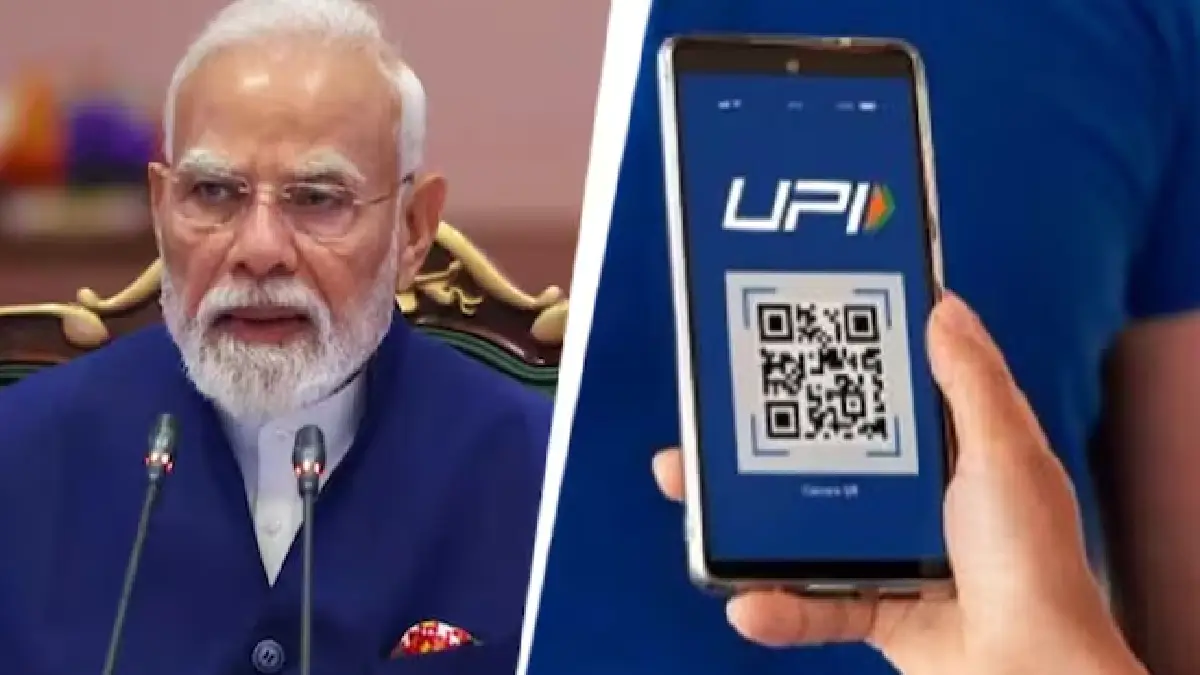
New Delhi : The Centre on Wednesday rejected claims that the introduction of a Merchant Discount Rate (MDR) on UPI payments was driven by foreign influence, after the opposition alleged that the move was aimed at appeasing US President Donald Trump. “Some claims suggest the change is due to foreign influence. This is false. India’s UPI policy decisions are made independently, with the clear goal of building a self-sustaining, inclusive, and affordable digital payments ecosystem,” the statement said.
UPI transactions over Rs 2,000 will attract an MDR fee of 0.4%. However, the National Payments Corporation of India (NPCI) said this would be paid by merchants, and consumers won’t be affected. A merchant will pay Rs 40 when it receives a UPI payment of Rs 10,000. A shopkeeper or an entity receiving more than Rs 1 lakh per month from customers through UPI is categorised as a merchant.
The Finance Ministry said banks have been advised to ensure merchants do not pass on the cost to customers. “Sending money to friends, paying at shops, or scanning a QR code – all remain without charges,” the statement said. The Congress, however, has alleged that the move was intended to benefit American card companies. Rajya Sabha MP Jairam Ramesh has dubbed the move as nothing but “Narendra’s Ongoing Trump Appeasement”.
Under the new system, UPI transactions above Rs 2,000 will attract an MDR of 0.4 percent from October 15. The fee will be paid by merchants and will not be directly charged to consumers, according to the National Payments Corporation of India (NPCI). For example, if a customer makes a UPI payment of Rs 10,000 to a merchant, the merchant would have to pay Rs 40 as MDR.
Read Also : CCI Secretary Breaks Silence On Both Asia Cup Trophies That Belong To India
-

-
-

-