New Delhi: What began as another tense military operation in the Gulf has turned into a tragedy for three Indian families and a fresh diplomatic challenge between India and the United States.
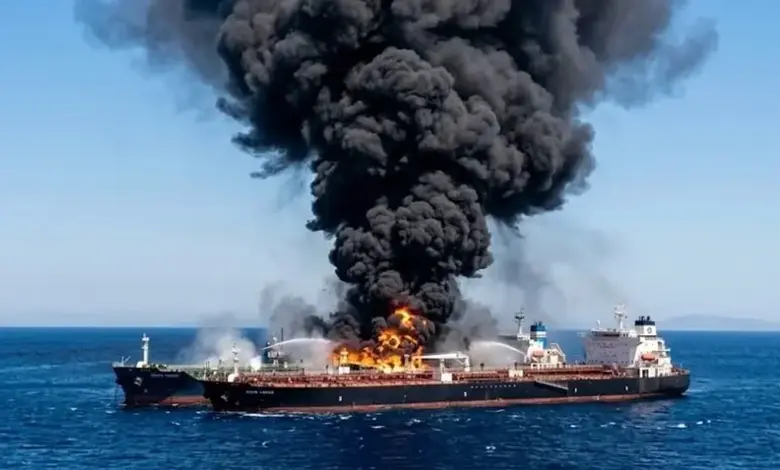
Three Indian seafarers were killed after a U.S. strike hit the tanker Settebello off the coast of Oman, an incident that has triggered strong protests from New Delhi and renewed concerns about the safety of civilian shipping in one of the world’s most volatile maritime regions.
The deaths, confirmed by Indian authorities, have sent shockwaves through the country’s maritime community. The vessel was reportedly operating in waters near Oman when it came under attack during a U.S. operation targeting ships suspected of links to Iranian oil transportation. While most of the crew were rescued, three Indian nationals lost their lives.
India responded swiftly, summoning a senior U.S. diplomat and registering a formal protest. The Ministry of External Affairs expressed deep concern over the loss of Indian lives and stressed that civilian sailors should never become casualties of geopolitical confrontations.
The deceased sailors have been identified as Chief Engineer Patnala Suresh, Deck Cadet Aditya Sharma and Fitter Shivanand Chaurashiya. Their deaths have left grieving families searching for answers, with many questioning how a commercial vessel carrying civilian crew members became caught in the crossfire of a military operation.
Washington has defended the strike, maintaining that the tanker was linked to activities that violated U.S. restrictions and that warnings were issued before action was taken. However, the vessel’s operators have disputed that account and are demanding an independent international investigation into the circumstances surrounding the attack.
The incident comes amid escalating tensions in Gulf waters, where military operations, sanctions enforcement and regional rivalries have increasingly intersected with global shipping routes. For India, the issue carries particular significance. Thousands of Indian seafarers work aboard commercial vessels across the world, many of them in high risk regions where geopolitical tensions can quickly spill into civilian maritime traffic.
The attack has also reignited debate among international law experts over the protection of merchant ships during military operations. While some legal analysts have raised questions about whether international humanitarian law was fully observed, no international body has so far determined whether the strike violated international law or amounted to a war crime.
Beyond the diplomatic fallout and legal debate, the deaths underscore the growing dangers faced by civilian crews navigating conflict prone waters. For the families waiting at home, the loss is not about geopolitics or strategy it is about loved ones who left for work and never returned.
As calls for accountability grow, India is expected to continue pressing for a full explanation of the circumstances that led to the deaths of its citizens. Whether the incident results in a broader international inquiry remains to be seen, but it has already become one of the most serious maritime controversies involving Indian nationals in recent years.
For now, three families mourn, a nation seeks answers, and a strike carried out hundreds of miles from Indian shores has become a matter of international concern.
ALSO READ: Three Indian Seafarers Die in US Strike on Oil Tanker Off Oman