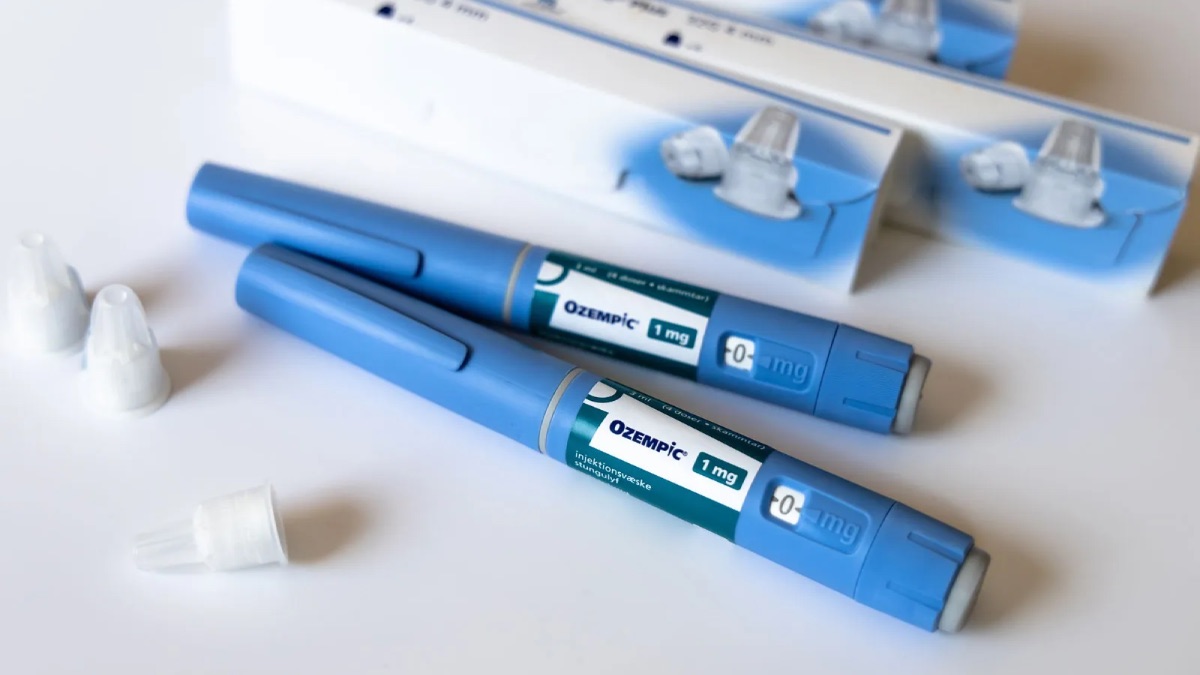
India crossed a quiet but significant pharmaceutical threshold today. Novo Nordisk’s patent on semaglutide the active molecule behind blockbuster weight-loss drugs Ozempic, Wegovy, and Rybelsus has expired in the country, opening the market to generic manufacturers for the first time.
More than 40 Indian pharmaceutical companies are preparing to launch over 50 branded versions of the drug almost simultaneously, in what analysts describe as one of the most crowded generic launches in Indian pharma history.
What is semaglutide and why does it matter?
Semaglutide works by mimicking GLP-1, a hormone the gut releases after eating to signal fullness. By replicating that signal, the drug suppresses appetite, lowers blood sugar, and over time, causes weight loss. Novo Nordisk developed it originally to treat Type 2 diabetes; its use as an obesity drug followed. In the United States, demand has been so high that supply shortages prompted congressional attention.
India’s disease burden makes it a natural market. The country has over 100 million people living with diabetes the second-highest count globally and faces a growing obesity problem driven by urbanising diets and sedentary lifestyles.
Until today, that patient population largely could not afford the drug. Monthly treatment in India cost between Rs 8,800 and Rs 20,000 under Novo Nordisk’s branded products.
Prices set to fall sharply
Generic versions entering the market are expected to start at Rs 3,000 to Rs 5,000 per month a 60 to 70 percent reduction. Analysts say prices could drop further, potentially settling in the Rs 1,500 to Rs 2,500 range as competition intensifies among manufacturers. At the lower end, that works out to roughly $14 a month.
Three problems that won’t disappear with the price tag
The affordability shift is real, but healthcare experts are raising concerns on multiple fronts. First, India’s over-the-counter drug culture poses a direct risk. Antibiotics are routinely dispensed without prescriptions across the country. If semaglutide follows that pattern, the consequences could be serious. The drug carries a complex safety profile documented side effects include pancreatitis and kidney complications. It is administered as a weekly injection, not a pill, and requires nutritional compliance, medical supervision, and regular monitoring to be used safely.
Second, Novo Nordisk itself is facing legal scrutiny in the United States over allegations that it concealed serious side effects from drug labels claims the FDA has flagged publicly. The drug has also only been widely used for a few years, meaning long-term effects remain unknown.
Third, manufacturing quality is not guaranteed across the board. Semaglutide is a biologic peptide produced using recombinant DNA technology, a far more complex process than manufacturing a standard chemical compound. With over 40 companies racing to market, questions about whether all generics will meet the same efficacy and safety standards as the original are legitimate. Regulators have said approvals will be reviewed, but the sheer volume of launches puts pressure on oversight systems.
What comes next
India’s drug regulator will need to move quickly to establish consistent quality benchmarks and enforcement mechanisms as the generic wave hits pharmacy shelves. The patient access argument is strong millions of Indians who could benefit from this treatment now have a realistic path to it. Whether that path stays safe depends on how the regulatory system responds. The era of semaglutide being a drug only some Indians could afford ends today. What replaces it is still being written.
-

-

-

-