

Nepal authorities have issued an urgent alert after a barrier lake upstream of the Gyirong border port on the Tibetan side broke its banks, raising the risk of renewed flooding. Security forces have directed all rescuers, personnel and the public involved in relief operations to move immediately to safer locations.
The warning comes two days after a glacial collapse triggered deadly flash floods that killed 469 people. Police confirmed that a water dam had burst again on the Tibetan side and called for heightened alertness across the affected areas.
Rescue operations in Nepal were temporarily suspended for 90 minutes. Around 1,400 people remain missing, including hundreds of foreigners. Officials warned that further devastation could occur within hours. Narendra Pariyar, the senior-most bureaucrat in Rasuwa district, reported that water levels in the river were visibly rising. Helicopter rescues in the flooded district were also halted, and residents were seen moving uphill for safety.
Both Nepal and China had previously cautioned about the danger posed by a lake that formed across the border from debris left by the earlier flash flood. The lake threatened to burst and cause secondary flooding.
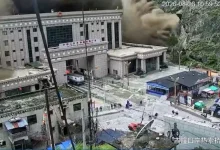
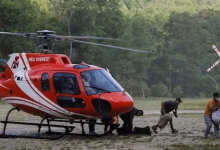


On the Chinese side, rescue operations have also been paused due to the high risk of further flooding in Tibet, where hundreds remain missing after a deadly mudslide. A lake created by large piles of debris after the mudslide struck the China-Nepal border began overflowing towards areas where rescue teams were operating. All teams were ordered to stand by and later instructed to withdraw one kilometre to safer ground.
The barrier lake formed after a wall of mud and debris struck the border hub of Gyirong in Tibet on Wednesday. Aerial footage taken the following day showed brown water accumulating in a basin with no clear outlet, submerging vegetation and pressing against a barrier of debris and stones.
Rescuers and residents on the lower banks in Nepal had already been directed to higher ground, while Chinese personnel and vehicles withdrew as risks of the lake bursting and potential secondary disasters, including mountain collapses and avalanches, intensified.