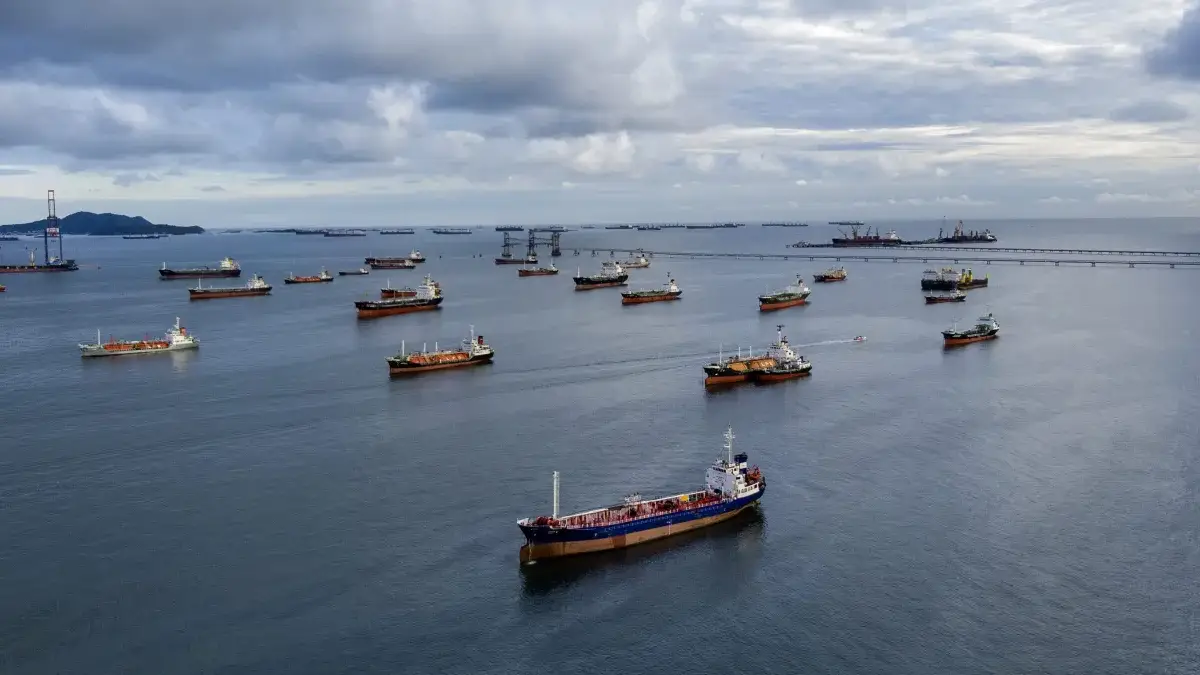
Iran intensified maritime tensions in the strategically vital Strait of Hormuz on April 22, even as U.S. President Donald Trump announced an extension of the ongoing ceasefire, according to reports .
Iranian forces reportedly fired upon multiple commercial vessels navigating the narrow waterway, with at least two ships later seized by the Islamic Revolutionary Guard Corps (IRGC). The vessels — identified as the Panama-flagged MSC Francesca and the Liberia-flagged Epaminondas — were accused by Iranian authorities of violating maritime regulations, including operating without permits and allegedly manipulating navigation systems.
The incidents occurred just hours after Trump signalled a continuation of the ceasefire arrangement, raising fresh concerns about the fragility of the truce and the risk of further escalation in the region. Reports indicate that a third vessel was also struck during the confrontation, highlighting the growing volatility in one of the world’s most critical oil transit routes.
The Strait of Hormuz, through which roughly one-fifth of global oil supplies pass, has become a focal point of the ongoing conflict involving Iran, the United States, and Israel. Any disruption in this corridor has immediate implications for global energy markets and trade flows.
ALSO READ : Trump Hints at ‘Good News’ on US-Iran Talks; Tehran Says No Decision Yet on Fresh Negotiations
According to other agencies, the attacks come amid stalled diplomatic efforts to de-escalate the broader conflict. Iran has expressed dissatisfaction with continued U.S. naval actions, including the enforcement of a maritime blockade targeting Iranian shipping. The situation has been further complicated by Tehran’s withdrawal from planned negotiations, citing what it described as violations of the ceasefire terms.
Shipping activity in the region has already declined significantly due to security concerns, with several vessels avoiding the route altogether. The disruption has contributed to rising oil prices and heightened uncertainty in global markets, as insurers and shipping companies reassess risks associated with the passage.
Despite assurances regarding crew safety from officials in countries linked to the detained ships, the developments underscore the precarious nature of maritime operations in the Gulf. With diplomatic talks yet to regain momentum, the Strait of Hormuz remains a flashpoint in an already volatile geopolitical landscape.
-

-

-
-