Kathmandu: Former Mayor Balen Shah has rapidly emerged as one of the most influential young political figures in Nepal, with his growing popularity sparking conversations about his potential role in national politics. Once known primarily as a rapper, Shah’s transition into public life has captured the attention of younger voters and political observers alike, according to a report by India Today.
Shah first rose to national prominence during the 2022 local elections when he won the Kathmandu mayoral race as an independent candidate, defeating nominees from Nepal’s major political parties. His victory was widely interpreted as a reflection of growing public frustration with established political groups and a desire for fresh leadership.
Following his tenure as mayor, Shah has continued to maintain strong support among young voters, particularly those belonging to the Gen Z demographic. His direct communication style and use of social media have helped him build a significant following among citizens seeking transparency and reform in governance.
As reports, political developments in Nepal have intensified speculation about Shah’s future ambitions. Some analysts suggest that Shah’s popularity signals a wider demand for accountability, governance reforms, and new political narratives among younger voters.
On January 18, Balen Shah stepped down from his position as mayor of Kathmandu to join the Rastriya Swatantra Party (RSP) and take part in Nepal’s upcoming general elections. As part of a seven-point agreement with RSP chairman Rabi Lamichhane, Shah was named the party’s candidate for prime minister, while Lamichhane continued to lead the party organisation.
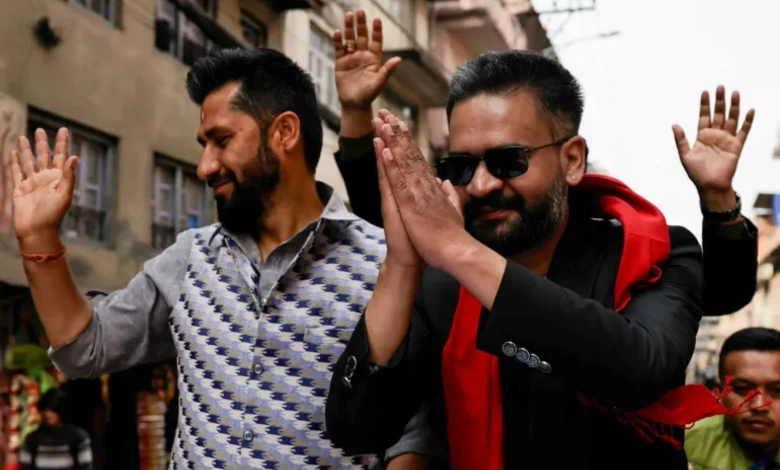
Shah’s election campaign has largely focused on themes such as youth empowerment, fighting corruption, and strengthening federalism. These priorities have resonated strongly with younger voters, particularly members of Gen Z and millennials who have expressed dissatisfaction with corruption and the slow pace of political and economic reforms in Nepal.
During a campaign rally in Janakpur, Shah delivered a speech in the Maithili language, a move that helped him connect with voters in Dhanusha District and neighbouring regions. In his address, he acknowledged the cultural importance of the area, which is widely regarded as the birthplace of Goddess Sita. His remarks also underlined his commitment to reinforcing provincial governance and Nepal’s federal structure.
According to a report by The Himalayan Times, Shah assured supporters that he would work to further strengthen federalism, an issue of particular importance to the Madhesi community, which shares deep socio-cultural ties with the neighbouring Indian state of Bihar.
Having previously demonstrated administrative capability during his tenure as mayor, Shah’s supporters believe his governance approach could extend to broader national policies if he assumes higher office. Analysts suggest this could include stronger anti-corruption initiatives, greater transparency in government, and policies aimed at addressing the aspirations of younger citizens, especially following the Gen Z-led protests that led to the fall of the government headed by KP Sharma Oli.
Also Read: Who Is Anuj Agnihotri? Meet The UPSC CSE 2025 Topper From Rajasthan