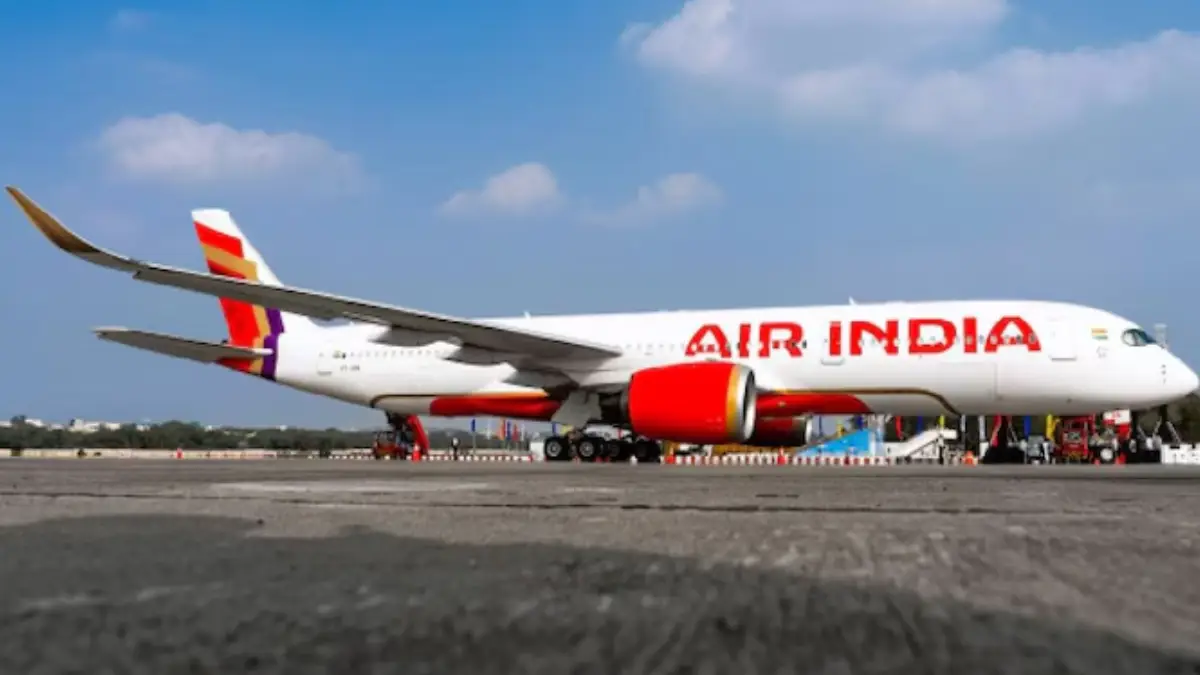
Air India has grounded roughly 2,500 flights to West Asia over the last three weeks and is running at barely 30% of its usual capacity in the region, CEO Campbell Wilson disclosed in an internal note to staff.
Wilson attributed the disruption directly to the ongoing Iran conflict. “The world, our region and our industry continue to contend with the impact of the ongoing conflict in the Middle East… the impact on Air India Group is significant given the usual scale of our operations to, and through, the Middle East,” he wrote.
He was blunt about the operational reality on the ground. Airports and airspace across the region are either shut or have been assessed to fall outside the airline’s safety thresholds, making a full schedule impossible for now.
The financial fallout is beginning to show. Jet fuel prices have more than doubled, and Wilson warned that the bulk of the cost hit is still coming most of it, he said, would land from next month. The airline has already slapped a fuel surcharge on new ticket bookings to partially absorb the higher costs.
Flights to the UK, Europe, and North America are also taking longer and burning more fuel. Wilson said these routes are being rerouted even further than the longer paths already adopted after the Pahalgam incident last year.
Also Read:Rahul Gandhi To Address Tribal Convention In Vadodara, Focus On Constitutional Rights
Demand, too, is becoming a concern. “Not every customer is willing to pay higher airfares, so there is a limit to how high we can price before demand drops,” Wilson noted, flagging the risk of pricing passengers out of the market.
Still, the airline is seeing fresh demand in Europe and North America, where it is deploying extra flights even as some international carriers pull back capacity.
On the internal front, Wilson acknowledged the particular strain on staff based in the Middle East, saying teams are “constantly monitoring and adjusting operations as the environment changes,” with safety remaining the “overriding priority.” He credited ground staff, contact centre teams, and flight crews for holding operations together through the disruption.
“For now… we should continue to focus on safe operations, keep tighter-than-ever control of non-urgent or unnecessary expenditure, support each other and keep delivering great Air India service,” Wilson told employees, while leaving open the possibility of further adjustments depending on how fuel costs and demand move in the weeks ahead.
-

-

-

-