
‘Acts Of Killing Unacceptable’: China First Response After Israel Top Iranian Officials Including Ali Larijani killed
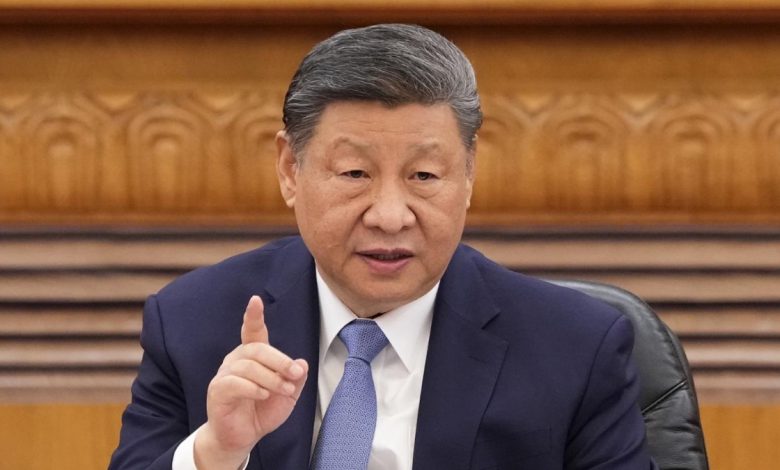
China broke its silence Thursday on Israel’s killing of senior Iranian officials, with foreign ministry spokesman Lin Jian telling reporters it flat-out opposes what’s happening. “We have always opposed the use of force in international relations. The acts of killing Iranian state leaders and attacking civilian targets are even more unacceptable,” he said.
The statement came after Israeli Prime Minister Benjamin Netanyahu and Defence Minister Israel Katz made public and seemingly proud announcements about the operations. In a photo posted alongside Netanyahu, Katz said the two had “authorised the IDF to eliminate any senior Iranian official for whom the intelligence and operational circle has been closed, without the need for additional approval.” Netanyahu followed that up with a video filmed inside the high-security ‘Kirya’ command centre, flanked by the heads of Mossad and the Air Force, ordering the killing of what he called two “terrorist chieftains” security chief Ali Larijani and Basij forces commander Gholamreza Soleimani.
Iran, for its part, asked publicly whether the UN and international bodies were simply going to let the killing of state leaders go on unchallenged.
Also Read:Pentagon Seeks More Than $200 Billion In Budget Request For Iran War : Media Report



This week alone, Israel killed three senior Iranian officials: Larijani, Soleimani, and Intelligence Minister Esmail Khatib. These are among the most high-profile deaths since US-Israeli strikes began coming after the earlier killing of Supreme Leader Ayatollah Ali Khamenei.
Where China Fits In
Beijing’s position is getting harder to hold. Last week, responding to Trump’s request for help in the Strait of Hormuz, the Chinese Embassy in Washington said Beijing “wants an immediate cessation of hostilities” and that “all parties have the responsibility to ensure stable and unimpeded energy supply.” China added it would keep talking to “relevant parties, including parties to the conflict.”
That’s the diplomatic version. Behind the scenes, things are messier. Trump’s scheduled visit to China in the last week of March may be pushed back a month, and he’s openly said he wants Chinese help securing the Strait of Hormuz. There are also active US allegations that Beijing has been quietly supplying Iran with satellite technology something that complicates every other conversation the two countries are trying to have. Taiwan was already a friction point. Now there’s Iran on top of it.
Trump has said he and his Chinese counterpart have a good relationship. That may still be true. But “good relationship” is doing a lot of heavy lifting right now.