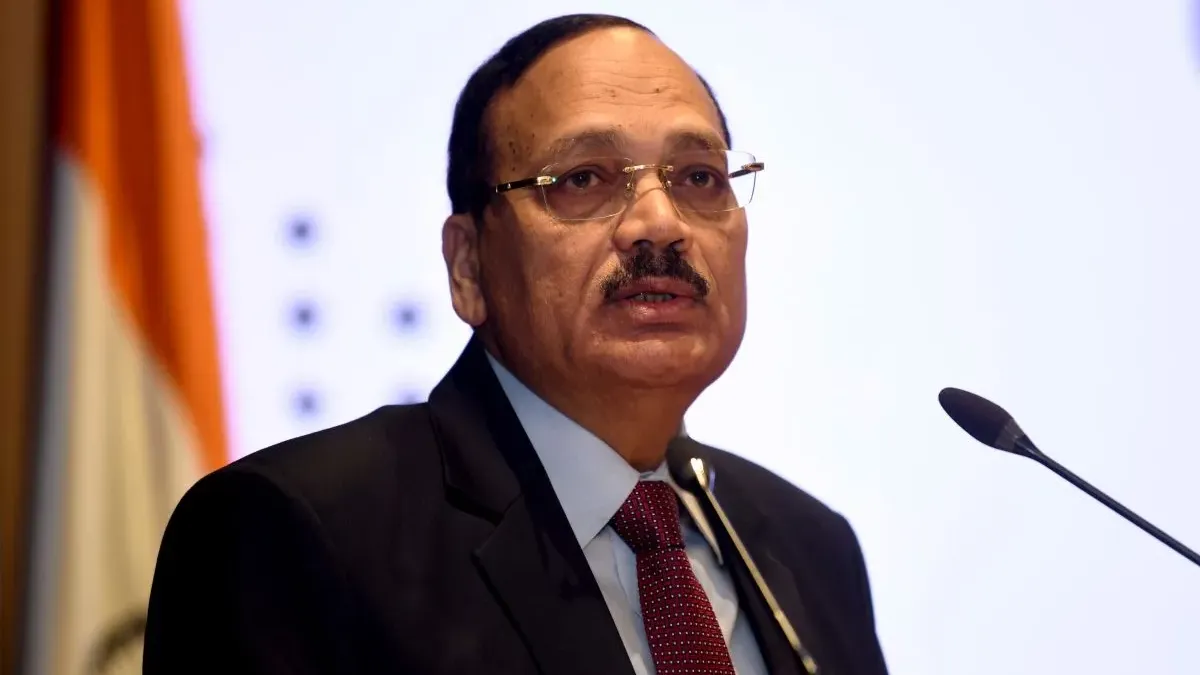
New Delhi: Justice Surya Kant is set to be sworn in on Monday as the 53rd Chief Justice of India (CJI), assuming the highest judicial office following the retirement of Justice B R Gavai on Sunday evening.
Appointed as the CJI-designate on October 30, Justice Kant will preside over the apex court for a tenure of approximately 15 months. He is scheduled to hold office until February 9, 2027, when he will demit office upon turning 65.
From Hisar to the Supreme Court
Born on February 10, 1962, into a middle-class family in the Hisar district of Haryana, Justice Kant’s legal career traces a remarkable trajectory from a practitioner in a small town to the head of the Indian judiciary. He holds a Master’s degree in law from Kurukshetra University, where he secured “first class first” honors in 2011.
Prior to his elevation to the Supreme Court, Justice Kant served as the Chief Justice of the Himachal Pradesh High Court, a post he assumed on October 5, 2018. His earlier tenure at the Punjab and Haryana High Court was also marked by several notable judgments.
Also read: Borders Can Change, Sindh May Return To India Again: Rajnath Singh’s Big Remark
Key Constitutional Rulings
During his time at the Supreme Court, Justice Kant has been integral to benches delivering significant verdicts on contemporary constitutional matters. His judicial record includes pivotal rulings on the abrogation of Article 370, the Pegasus spyware inquiry, and cases involving citizenship and free speech.
He was also part of the Bench that heard the presidential reference regarding the scope of powers held by Governors and the President concerning bills passed by state legislatures. The verdict on this matter, which carries wide-ranging implications for multiple states, is currently awaited.
In another significant intervention regarding electoral processes, Justice Kant directed the Election Commission of India to provide details on the 65 lakh voters excluded from Bihar’s draft electoral rolls. This order was issued while the court was hearing petitions challenging the Commission’s Special Intensive Revision of voter lists ahead of the state elections.
[With PTI Inputs]
-
-

-

-