‘Thane Is Saffron and Will Stay That Way’: Deputy CM Eknath Shinde Responds to AIMIM’s Sahar Sheikh Over ‘Green Mumbra’ Comment
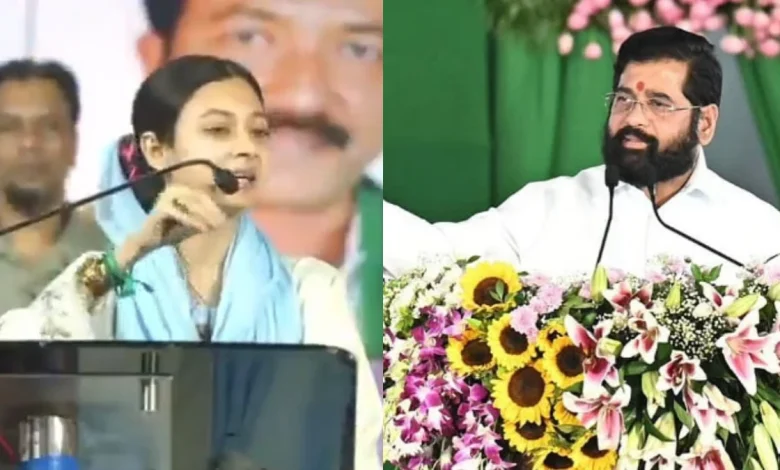
Mumbai: Political tensions escalated in Maharashtra following a heated public confrontation between the Shiv Sena and the All India Majlis e Ittehadul Muslimeen (AIMIM) concerning statements about Mumbra in Thane district. Deputy Chief Minister Eknath Shinde strongly countered AIMIM leader Sahar Sheikh’s remark proposing the region be “painted green,” describing it as an effort to introduce religious politics into civic matters.
Addressing media personnel, Shinde emphasized Thane’s political heritage and cultural character. “Thane district is the biggest district of Maharashtra and the whole of Thane is completely saffron. Mumbra is only a small part of it,” he stated, maintaining that the locality remains committed to the principles of his mentor, the late Anand Dighe.
DEPUTY CHIEF MINISTER ISSUES STRONG REBUTTAL
Shinde’s comments were clearly directed at challenging what the Shiv Sena perceives as an attempt to divide voters on religious grounds. Through reference to Anand Dighe’s legacy, Shinde framed the dispute as more than political conflict, presenting it as opposition to the Sena’s longstanding regional authority.



AIMIM ISSUES STATEMENT OF CLARIFICATION
After facing criticism, Sahar Sheikh released a clarification, explaining that his mention of “green” was intended solely to represent the AIMIM party flag and not to incite religious sentiments. He contended that his statements were misinterpreted and blamed the ruling party for intentionally distorting his words for political advantage.
Also Read:Mumbai: Newborn Girl’s Body Discovered In Garbage Bin Near Airport Boundary Wall In Kurla
AIMIM representatives emphasized that their priorities center on civic concerns, minority representation and local administration, especially in constituencies like Mumbra where the party commands significant grassroots backing.
RELIGIOUS OVERTONES AND CAMPAIGN STRATEGY
Notwithstanding the clarification, the confrontation reveals increasing communal overtones in regional political dialogue, particularly as civic body structures transform throughout Maharashtra. Thane, a politically crucial district neighboring Mumbai, has frequently served as contested ground for opposing ideologies.
Both parties are addressing their core constituencies as well as uncommitted voters, employing symbolism and historical legacy to reinforce their positions. As the verbal battle persists, Thane residents observe a recognizable struggle between identity-based politics and assertions of development-focused governance.