
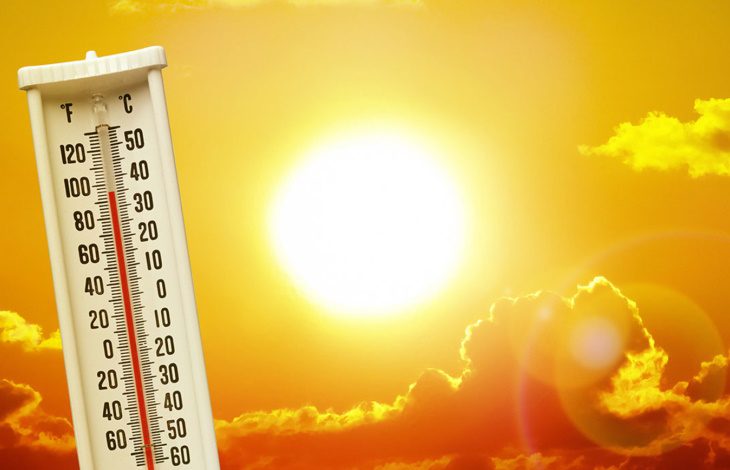
Mumbai: After a brief respite from pre-monsoon showers that brought hailstorms and rainfall to several districts earlier in March, the India Meteorological Department (IMD) forecasts a return of rising temperatures across parts of Maharashtra, particularly along the coast.
In Mumbai, where three heatwaves were recorded in the first half of the month, the heat is expected to intensify once more. On March 22, the maximum temperature reached 35 degrees Celsius under dry conditions with no rainfall. For March 23, the IMD predicts a minimum of 23 degrees Celsius and a maximum of 31 degrees Celsius, with hot and humid weather prevailing. The department has issued a yellow alert for hot weather in Mumbai, Thane, and Palghar districts. Similar yellow alerts apply to other Konkan areas including Raigad, Ratnagiri, and Sindhudurg, signaling the potential for a fourth heatwave in March for the Mumbai metropolitan region, Thane, and the Konkan coast.
Meanwhile, contrasting conditions are anticipated in western and central Maharashtra. Thunderstorms accompanied by rain are likely in districts such as Pune, Satara, Sangli, Solapur, Latur, Ahilyanagar, and Dharashiv. The IMD has placed these areas under a yellow alert for thunderstorm activity with possible lightning, light to moderate rainfall, and gusty winds.
ALSO READ ” Maharashtra Hotels, Restaurants To Get Relief As Commercial LPG Supply Rises To 50% Of Pre-Crisis Level



The regional weather office indicates that pre-monsoon rain activity across the state is gradually weakening this week. Temperatures are projected to increase by 2-4 degrees Celsius in the coming days. By early April, Mumbai could see maximum temperatures climbing back to 37-40 degrees Celsius.
Residents in heat-alert zones are advised to take precautions against rising temperatures, while those in rain-prone districts should remain alert for sudden weather changes. The IMD’s forecasts highlight the ongoing variability in Maharashtra’s weather patterns this season, shifting from unseasonal rains and hail to renewed heat stress.
Commuters and outdoor workers should monitor official updates for any real-time adjustments to alerts or conditions.