
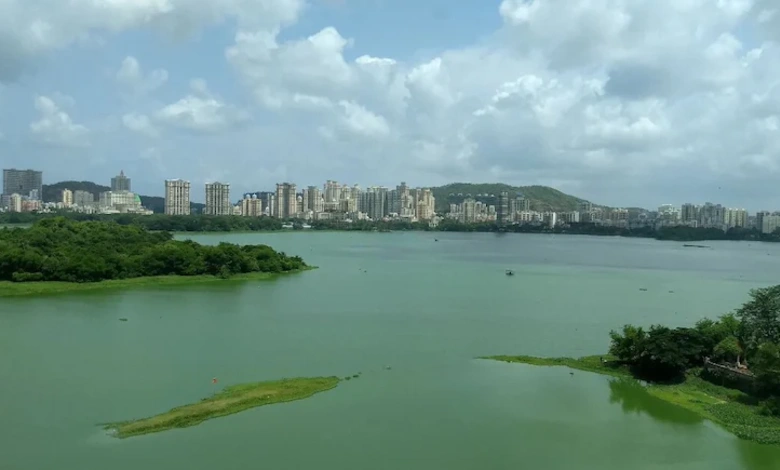
Mumbai: Water stock in Mumbai’s seven lakes, which supply drinking water to the city, has climbed to 89.08% of total required capacity, inching closer to the 90% mark, according to data from the Hydraulic Engineer’s Department, Bhandup Complex, recorded at 6:00 am on August 2, 2026.
The city’s water stock rose by 0.67 percentage points in a single day, moving up from 88.41% to 89.08%.
Mumbai Mayor Ritu Tawde shared the latest status of the city’s seven major reservoirs on Saturday, August 1, noting that water stock has been rising steadily amid the ongoing monsoon. In her post, she detailed the current storage levels across the reservoirs that supply drinking water to the city.
The reservoirs currently hold 12,89,289 million litres (ML) of usable water, against a full storage capacity of 14,47,363 ML, marking a steady climb driven by sustained monsoon rainfall. This year’s stock also stands slightly ahead of the 88.94% recorded on the same date last year.



Also Read:Mumbai Megablock : Local Trains Face Disruptions on August 2
Among the seven lakes, Modak Sagar and Vihar Lake have both hit 100% capacity, while Tansa is at 99.58% and Tulsi at 99.46%. Middle Vaitarna has reached 91.65%, Bhatsa — Mumbai’s largest source of drinking water stands at 87.14%, and Upper Vaitarna trails at 78.39% of its live storage capacity.
Rainfall Boosts Water Reserves
In the past 24 hours, Upper Vaitarna recorded the highest rainfall among the reservoirs at 112 mm, followed by Middle Vaitarna (66 mm), Modak Sagar (58 mm), Bhatsa (30 mm) and Tansa (25 mm), while Tulsi received 9 mm. Vihar recorded no rainfall during this period.
The Bhandup Complex itself logged 5 mm of rainfall over the last 24 hours, pushing the season’s cumulative rainfall total there to 2,301 mm.
Four Reservoirs Now Overflowing
According to the report, Vihar Lake began overflowing on July 7, with Tulsi following suit later that same day. Tansa Dam started overflowing on July 22, and Modak Sagar Dam began overflowing on July 23 — developments that reflect the strength of monsoon inflows into the city’s water sources this season.
With reserves now nearing 90% of total live storage capacity, Mumbai remains in a comfortable position on drinking water availability, and continued monsoon rainfall is expected to further boost reservoir levels in the days ahead.