
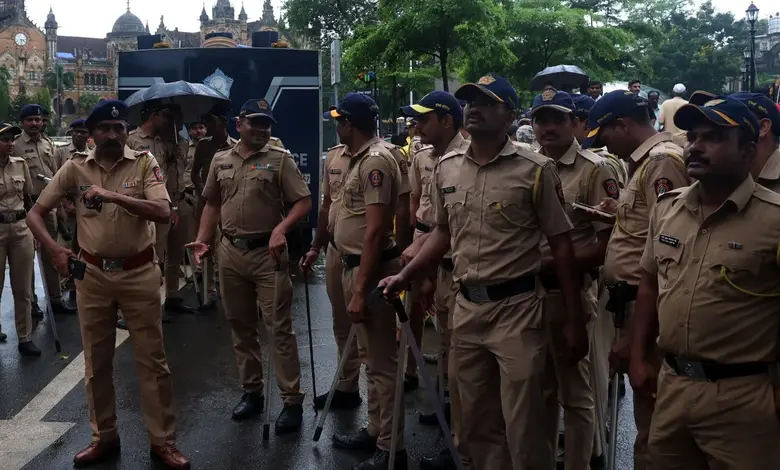
Mumbai: As protests linked to the Citizens for Justice and Peace (CJP) movement gather momentum across the country, students in Mumbai have accused the police of using a range of measures from visiting their homes to asking for their live WhatsApp locations to discourage them from joining demonstrations.
Several students told media organisations that police officers arrived at their residences, spoke to family members and repeatedly contacted them before scheduled protests. Some also claimed they were asked to share their live location on WhatsApp, while others said they were detained for several hours and released without any formal charges. These allegations have not been independently verified, and Mumbai Police has not publicly confirmed the specific claims.
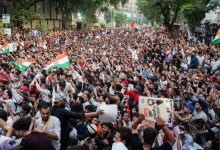
The accusations surfaced even as the city witnessed one of its largest student mobilisations in recent months. Thousands gathered at Shivaji Park in Dadar and other parts of Mumbai despite prohibitory orders in certain areas and a heavy police presence. Protesters said they were determined to continue demonstrating, arguing that peaceful dissent should not be treated as a law and order issue.
The Mumbai protests are part of a wider nationwide campaign that began over alleged irregularities in competitive examinations, including the NEET paper leak controversy. What started as outrage over exam integrity has gradually evolved into a broader movement demanding accountability, stronger safeguards against paper leaks and reforms in the country’s examination system.


Students who were allegedly detained claimed their mobile phones were taken temporarily before being returned. A few also said they later received calls from different security agencies and were questioned about their involvement in the protests. While these claims have attracted widespread attention, there has been no official confirmation that surveillance measures such as live location tracking were authorised or routinely used.
The controversy intensified after a video circulating on social media appeared to show a Mumbai police officer threatening protesting students with false criminal cases, including a drug case. Following public criticism, Mumbai Police removed the officer from active duty and ordered an internal inquiry into the incident.
The issue has also reached the Supreme Court. During a hearing on a petition seeking intervention over the alleged police action against protesters, the court declined to pass immediate directions, indicating that it was not inclined to entertain the plea in its present form.
Authorities have defended security arrangements around the protests, saying preventive measures were aimed at maintaining public order. Mumbai Police had imposed restrictions on public gatherings in parts of the city ahead of the demonstrations, citing concerns over law and order.
Meanwhile, the debate over examination reforms continues to grow. Prime Minister Narendra Modi has described the prevention of paper leaks as a “national responsibility” and assured that those involved in examination related corruption would face strict action. Opposition parties, however, have continued to question the government’s handling of the issue and demanded greater accountability.
Civil rights groups say the allegations emerging from Mumbai raise larger questions about the limits of preventive policing and the right to peaceful assembly. They argue that students protesting over issues affecting their future should be allowed to express their views without fear of intimidation.
With fresh demonstrations being planned and student groups showing no signs of backing down, the standoff between protesters and authorities is likely to remain under close public and political scrutiny in the days ahead.
ALSO READ: Paper Leak Row: PM Modi Promises Fast-Track Courts, Rahul Gandhi Launches Fresh Attack