Mumbai: Election fever has gripped Mumbai, with Marathi identity politics taking center stage, yet this political heat hasn’t contributed to the Financial Capital’s AQI hovering near 400. The reality is that this issue remains largely confined to political circles, while a substantial portion of voters—particularly youth and Gen Z—prioritize pothole-free roads, efficient drainage systems, waste management, and air quality over Marathi Asmita (pride).
Unlike southern states where linguistic pride and regional identity remain perennial concerns, Maharashtra witnesses language politics gaining momentum primarily during election seasons.
Against this backdrop, Gen Z’s expectations from India’s wealthiest civic body hold significance, especially as the city’s demographic composition continues evolving—both in terms of age distribution and linguistic diversity.
At a juncture when young people are celebrating an immigrant mayor, Zohran Mamdani, in Mumbai’s sister metropolis New York City, does the call for a Hindu-Marathi mayor truly appeal to the youngest voting demographic?
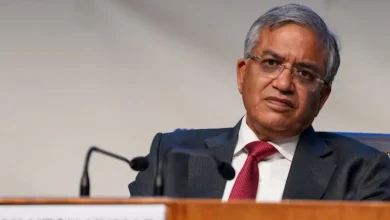
Senior journalist and former Rajya Sabha member Kumar Ketkar told India Today Digital, “Mumbai’s current state regarding transport, traffic, and garbage is terrible, yet nobody raises these concerns… Gen Z neither knows nor cares. Frankly speaking, no issue truly resonates with Gen Z… Unemployment remains their biggest concern, but even that lacks political reflection.”
“Sentiments such as Marathi Asmita primarily resonate with middle-aged individuals and a limited youth segment,” he observed.
Addressing why Mumbai’s youth lack political engagement, Ketkar explained, “The decline in politics didn’t cause student unions to fade. Student unions diminished because the political process itself collapsed.”
Notably, Election Commission data reveals that voters aged 18–29 constituted nearly 1.85 crore of Maharashtra’s electorate, representing over 20% of total voters. The state witnessed a 6% increase in youth voters during the 2024 elections. Youth voters, predominantly Gen Z, are projected to form 20-30% of the BMC electorate as well.
However, while youth voter numbers have surged, Marathi speakers in the city have declined—from 44% in 1951 to merely 36% by 2011.
In October last year, BJP MLA and Mumbai party president Ameet Satam announced his party’s plan to select 50 Gen Z candidates for monitoring and enhancing BMC services and facilities. “Selected interns will function as a third eye regarding governance. Additionally, based on their assessments, these young people will propose improvements in civic administration functioning,” the Mumbai BJP president had stated.
Nevertheless, Ketkar questioned, “I fail to understand why this myth about Gen Z’s importance in this election is being propagated.”
WHAT DOES MUMBAI’S GEN Z ACTUALLY WANT FROM THE BMC?
Nikunj Sabharwal (28), a Gen Z voter, explains, “What concerns me is whether I can play sports in clean air. Court rental prices are exorbitant. When I’m spending thousands on training and court rentals for matches, I don’t want my training undermined by polluted air.”
For this 28-year-old marketing operations professional, the mayor’s linguistic preference whether Marathi, Gujarati, or Hindi holds no significance, provided the road where he completes his 3-km morning jog before practice is properly maintained.
Sabharwal stated, “I’m eager to vote in the forthcoming BMC elections, but I believe Mumbai faces far more pressing challenges currently. If a Swahili-speaking mayor can address them, I have no objections.”
For 29-year-old Tanvi Kshirsagar, whose native language is Marathi, the Marathi Asmita debate appears overblown. She remarked, “I believe the language issue has been inflated beyond its actual significance. While I agree learning the language of your city or state is important, it won’t influence my voting decision.”
Aastha Atray Banan, Editor of Mumbai-based tabloid Sunday Mid-Day, told “From what I’ve gathered, Gen Z cares about issues like stray dog welfare, pollution, they’re wearing masks, monitoring AQI—roads, given our pothole problem, and walkways. Essentially, they want Mumbai to offer the pedestrian experience of New York or London. These are the priorities I’ve heard them express.”
Among her various beats, Banan specializes in Gen Z-related issues, with the tabloid regularly featuring youth-centric stories.
She continued, “The language argument doesn’t hold much weight here. Based on conversations with corporator candidates—they’re not emphasizing that either. They’re concentrating on infrastructure, water scarcity, and initiatives like establishing dog clinics…”
Regarding parties’ demand for a Marathi mayor, she commented, “Why not have a Marathi mayor? I’m not opposed to that concept, but the mayor should represent all corporators… There’s nothing objectionable about that demand, provided the person delivers results.”
However, for another Gen Z individual requesting anonymity, none of these issues matter because she abstains from voting in elections—whether Lok Sabha, Assembly, or civic polls. This represents another significant challenge for political parties in the city, as political sentiment remains largely absent across Mumbai’s upscale cafes and colleges, and those who do engage show minimal interest in mainstream narratives.