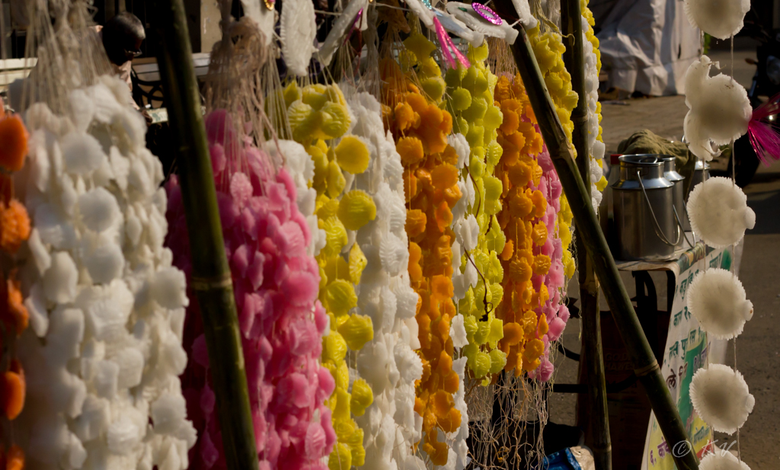
As the spring air fills with the scent of parched grain and the anticipation of vibrant pigments, the bustling markets of North India, particularly in Rajasthan and Uttar Pradesh, witness the return of making a unique seasonal garland: the Batasha Ki Mala. These garlands, crafted from crisp, white sugar drops (batashas) and often adorned with colorful toys made of sugar (khilona), are far more than festive confectionery; they represent a deep-seated cultural intersection of devotion, family lineage, and the welcoming of a new season.
A Symbol of Purity and Prosperity
In the Hindu faith, sugar specifically in its simple, porous form as a batasha is considered a Sattvic offering. Its pristine white color symbolizes purity and the cooling of the spirit as the harsh summer heat begins to set in. During the bonfire of Holika Dahan, these garlands are offered to the flames as a gesture of gratitude and a prayer for the “sweetening” of the coming year’s harvest.
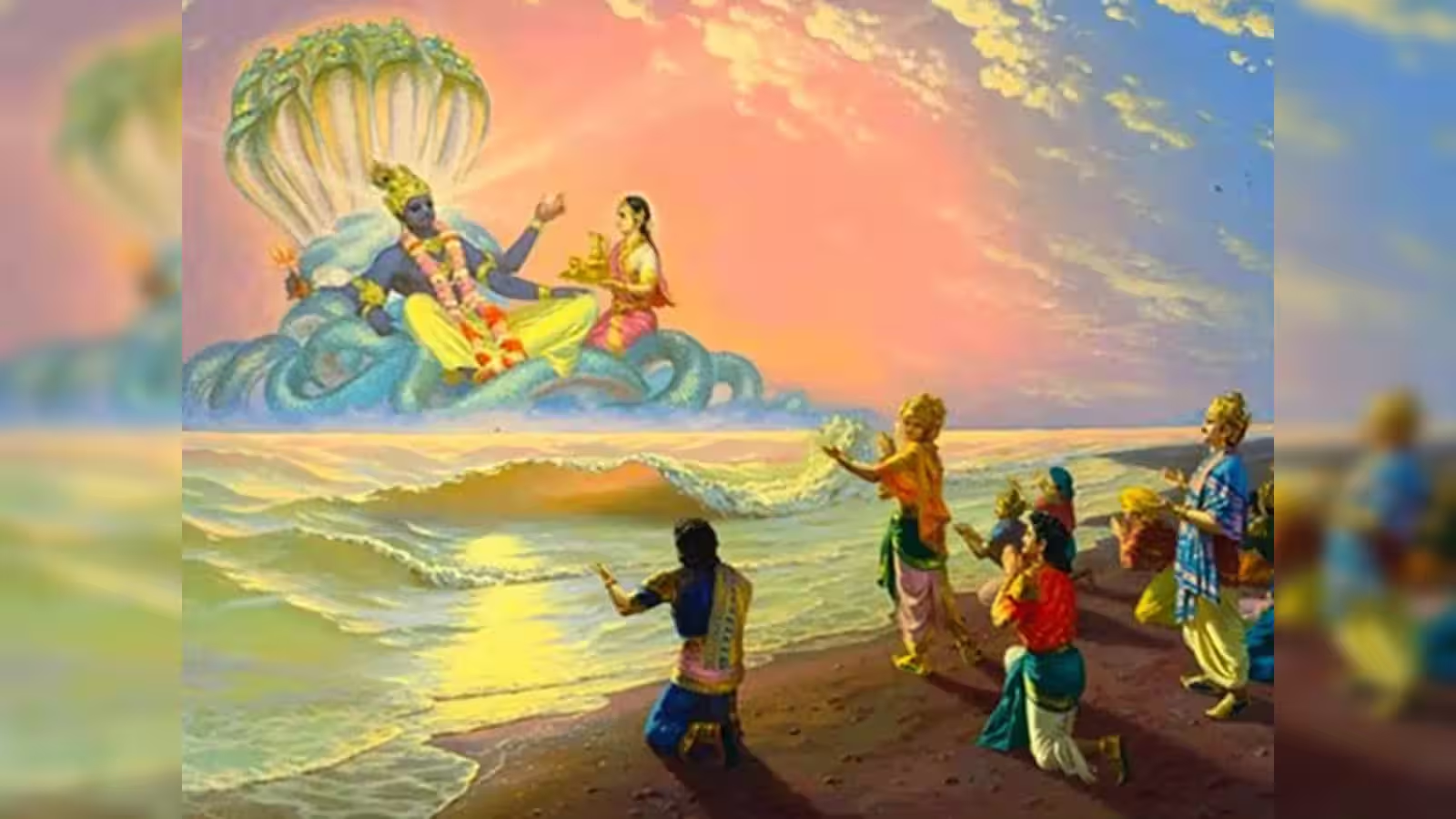
The act of wearing or gifting these garlands carries significant social weight. In many communities, it is a mandatory rite for “Prahlad”- a young boy in the family who represents the mythological devotee saved from the fire. This ritual reinforces the triumph of Bhakti (devotion) over ego.
The Ritual of the First Holi
The cultural belief surrounding the Batasha Ki Mala is most profound during a child’s first Holi, a celebration known as Dhoond. Families believe that the “evil eye” or negative energies are particularly potent during seasonal transitions. To protect the infant, maternal grandparents often give a heavy, elaborate Batasha Ki Mala. The child is seated amidst the family, and the garland is placed around their neck while traditional folk songs are sung, effectively “shielding” the new life with sweetness and communal blessings.
Economic and Seasonal Heritage
Beyond the spiritual, the production of these garlands supports thousands of artisanal sugar-crafters. Using traditional wooden molds, they create shapes ranging from elephants and horses to modern motifs, preserving a craft that predates the influx of processed chocolates. As the embers of the Holi fire fade, the distribution of these sugar drops as Prasad (blessed offering) serves a practical purpose: providing an instant energy boost to revelers, symbolizing the shared joy that defines the festival of colors.
Also read : Plant These Top Summer Veggies in March for Fresh Homegrown Harvests All Season!
-

-

-
-