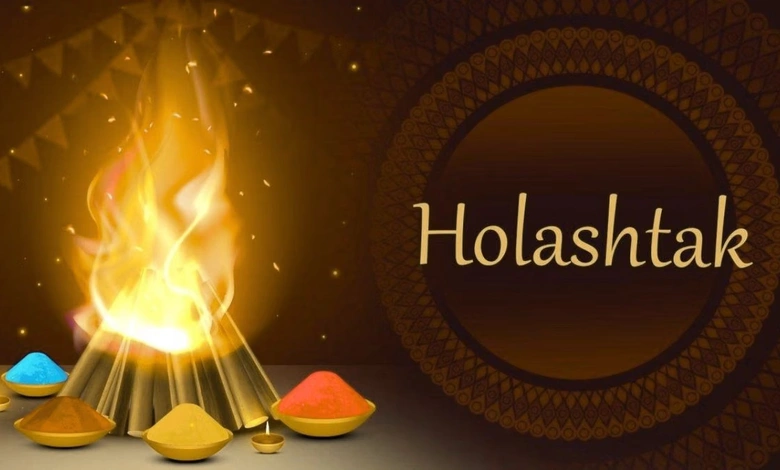
Holashtak is a significant eight-day period in the Hindu calendar observed just before the vibrant festival of Holi. Derived from “Holi” and “Ashtak” (meaning eight), it symbolizes a time of intense spiritual energy and planetary influences. Rooted in mythology, Holashtak commemorates the devotion of Prahlad and the triumph of good over evil, as Holika’s attempt to burn him failed, leading to her demise. This period is viewed as inauspicious for new beginnings due to the “ugra” (fierce) state of the eight planets, making energies volatile and prone to negativity.
When Does Holashtak Start?
Holashtak typically begins on the Ashtami Tithi of the Shukla Paksha in the Phalguna month and lasts until Purnima, culminating in Holika Dahan. In 2026, it starts on Tuesday, February 24, at 7:01 AM, and ends on Tuesday, March 3, with Holika Dahan, followed by Rangwali Holi the next day. This timing aligns with the lunar calendar, emphasizing reflection and purification over action.
Precautions to Take During Holashtak
During these days, it’s advisable to exercise caution to avoid setbacks from unstable cosmic energies. Focus on inner cleansing rather than external pursuits. Use protective measures like wearing crystals, performing simple rituals, or sprinkling salt water at home entrances to ward off negative influences, as salt is believed to purify spaces. Avoid major decisions, and prioritize spiritual practices to realign and release old energies.
ALSO READ : Mauni Amavasya: A Sacred Day of Silence, Purification, and Ancestral Reverence
Do’s of Holashtak
- Engage in prayer, chanting, and meditation for karmic cleansing.
- Complete pending tasks and reflect on personal growth.
- Perform Holika Puja preparations mindfully.
- Practice charity and acts of kindness to build positive karma.
7 Don’ts of Holashtak
- Don’t start new ventures or investments– Energies may lead to obstacles.
- Don’t conduct weddings or engagements – Considered highly inauspicious.
- Don’t perform housewarmings or ceremonies like mundan/naming – Postpone for better outcomes.
- Don’t cut hair or nails – Believed to invite negativity.
- Don’t consume non-vegetarian food – Maintain purity.
- Don’t shop for clothes, jewelry, or shoes – Avoid material acquisitions.
- Don’t travel long distances – Stay grounded to minimize risks.
Holashtak isn’t about fear but alignment with divine timing. By observing these guidelines, one can transform this period into an opportunity for spiritual renewal, paving the way for a joyous Holi celebration.
-
-
-
-