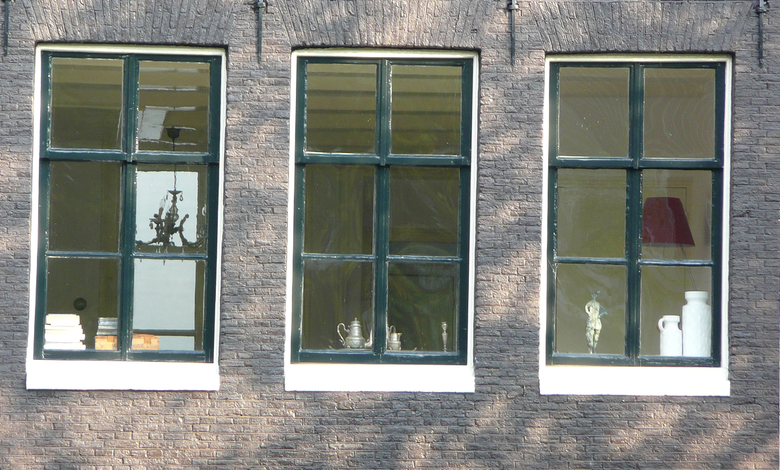
When walking through neighbourhoods in Amsterdam or other Dutch cities, visitors are often struck by one unusual sight: living rooms and dining spaces brightly lit at night, completely visible from the street because curtains or blinds are rarely used. In the Netherlands, leaving windows uncovered be it broadway light or night, it remains a familiar part of everyday life, sparking curiosity and occasionally confusion among tourists. Ever wondered why ?
Here’s the thing, one commonly cited explanation connects this custom to Calvinism, a Protestant tradition once influential in Dutch society. Calvinist values emphasise honesty and transparency, and over time this shaped a cultural idea that open windows signal there’s “nothing to hide.” Although Calvinism’s role in modern secular Dutch life is limited, its legacy often features in discussions about the curtain-free habit.
Another cited reason is the legacy of the Second World War. During the German occupation, strict blackout measures forced residents to block all light from escaping their homes at night. After the war ended, many people were glad to uncover their windows, associating light and openness with freedom. While this historical moment influenced attitudes toward light, it isn’t the sole reason the practice persists.
Also read : BTS : All Seven Members Spotted Heading to Dubai
The Dutch climate also plays a role. With relatively little sunshine in autumn and winter, residents often prefer to let as much natural light into their homes as possible.
More deeply, sociologists suggest that open windows reflect a broader social ethos. In closely knit communities, uncovered windows help residents feel connected to the street and to one another. Rather than serving as a barrier between private and public life, windows become a subtle link that fosters a shared sense of trust and mutual awareness.
Though it can surprise outsiders, the Dutch custom of leaving windows bare blends history, practical concerns about light, and cultural norms around openness.