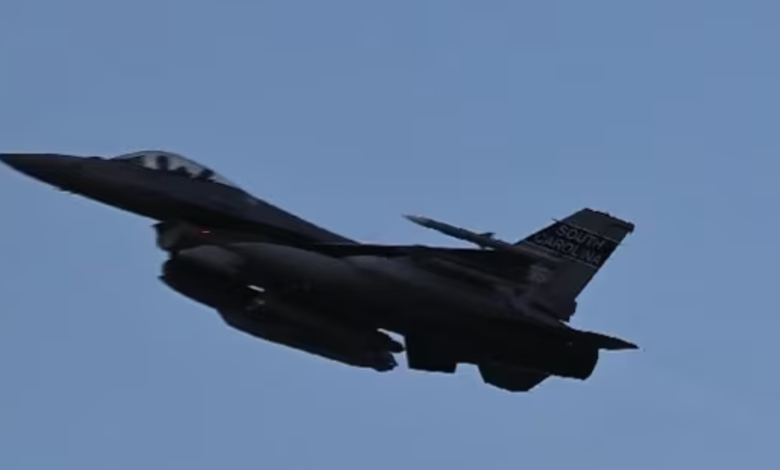
Washington: The United States military conducted limited self-defence strikes in southern Iran, targeting missile launch sites and vessels involved in laying mines, even as diplomatic efforts to end the conflict continue.
According to a statement from Capt. Tim Hawkins, spokesman for U.S. Central Command, the operations were carried out to safeguard American troops from immediate threats posed by Iranian forces. He emphasised that the military was exercising restraint while a ceasefire remained in effect.
Further specifics on the nature of the Iranian threats or the precise impact of the strikes were not disclosed immediately. The action comes at a delicate moment in negotiations, with President Donald Trump stating on social media that talks were “proceeding nicely.”
In a related development, Trump has insisted that any final agreement to resolve the Iran conflict must include several additional nations signing onto the Abraham Accords — the series of U.S.-brokered normalisation agreements with Israel originally launched during his first term. He specifically called on Saudi Arabia, Pakistan, Qatar, Turkey, Egypt, and Jordan to join immediately.
Bahrain and the United Arab Emirates were the first to sign the accords in 2020, with Sudan, Morocco, and Kazakhstan joining later. Trump described the expanded participation as essential, stating it should be “mandatory” for these countries to sign simultaneously after the United States’ efforts to broker peace.
The proposal has drawn criticism from some Republican lawmakers who advocate a tougher stance toward Iran and could introduce fresh challenges to the negotiations. Saudi Arabia has previously maintained that normalisation with Israel would require a credible path toward Palestinian statehood — a position also relevant for Pakistan, which does not currently maintain diplomatic ties with Israel.
Islamabad-based analyst Syed Mohammad Ali noted that Pakistan’s position on Israel has not changed. Masood Khan, Pakistan’s former ambassador to the United States, observed that invoking the Abraham Accords at this stage adds a new dimension to the talks, though the diplomatic process remains active with Pakistan playing a central role.
Trump indicated he had raised the proposal with leaders during negotiations on May 23 and would tolerate one or two countries opting out, but expected broader participation. He even suggested that Iran itself could potentially join the accords if a comprehensive agreement is reached.
The Abraham Accords aim to foster economic, diplomatic, and security cooperation across West Asia and North Africa. It remains uncertain when or how a final deal with Iran might materialise.
-

-

-
-