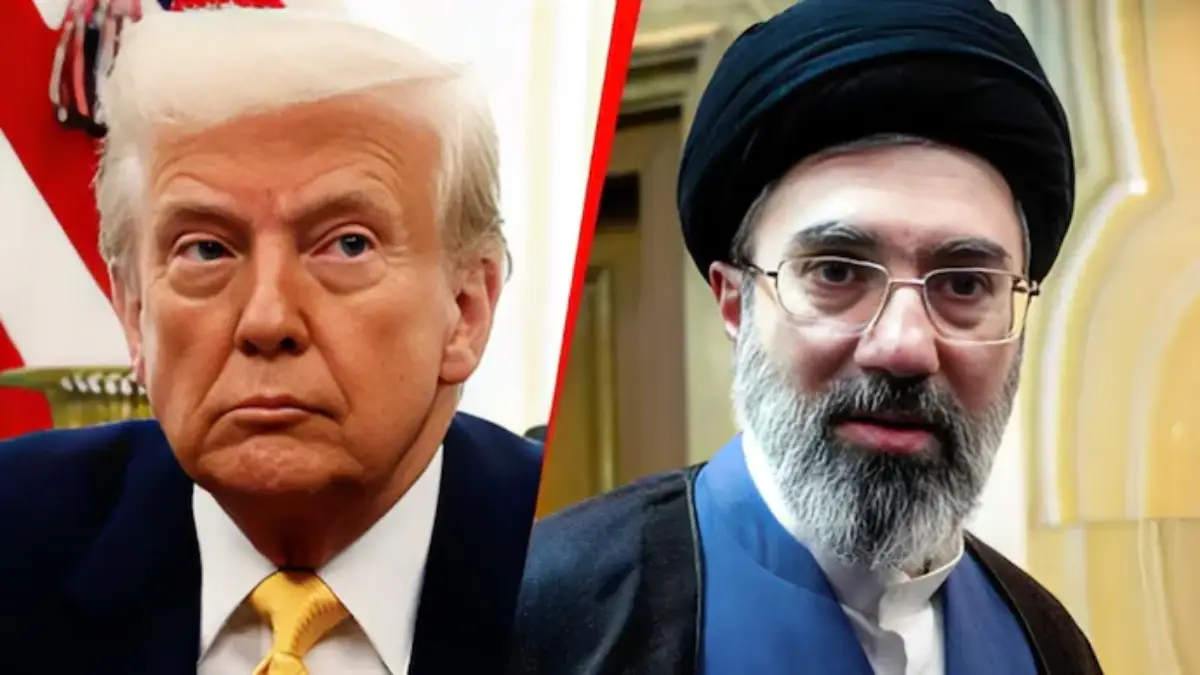
U.S. President Donald Trump and Iran’s President have signed a memorandum of understanding aimed at ending the prolonged war in West Asia. The agreement, finalized on June 17, 2026, during a G7 summit gathering in France, offers Tehran substantial economic relief in exchange for commitments to reduce its enriched uranium stocks.
The signing took place at the Palace of Versailles amid a dinner hosted by French President Emmanuel Macron. Under the deal, both nations and their allies have agreed to an immediate and permanent halt to military operations across all fronts, including Lebanon. The pact includes pledges not to initiate future conflicts, threats, or uses of force against one another, while upholding Lebanon’s territorial integrity and sovereignty. A more comprehensive final agreement is expected to solidify these terms.
Pakistan’s Prime Minister Shehbaz Sharif announced that the memorandum takes effect immediately. As initial steps, Iran will promptly reopen the Strait of Hormuz, a critical chokepoint for global oil shipments, while the United States will lift its naval blockade on Iranian ports.
Global oil markets responded swiftly to the news. On June 18, Brent crude futures dropped by 89 cents, or about 1.12 percent, to $78.66 per barrel in early trading. Similarly, U.S. West Texas Intermediate crude fell 98 cents, or 1.28 percent, to $75.81 per barrel. This decline reversed earlier gains triggered by concerns over potential renewed military actions. The accord is seen as resolving a major disruption in energy supplies.
ALSO READ : G7 Leaders Demand Lebanon Ceasefire Amid New US-Iran Peace Deal
In Washington, senior Democratic lawmakers have called for a prompt congressional briefing from Secretary of State Marco Rubio on the details of the memorandum, any associated side agreements, and plans for the 60-day ceasefire period. The request came in a letter from ranking members of key House committees.
The development marks a significant shift toward diplomacy in a conflict that has lasted over three months. Shipping industry representatives, including those from India, have expressed cautious optimism, noting that full normalization of maritime operations may require 30 to 60 days as terms are clarified and implemented.