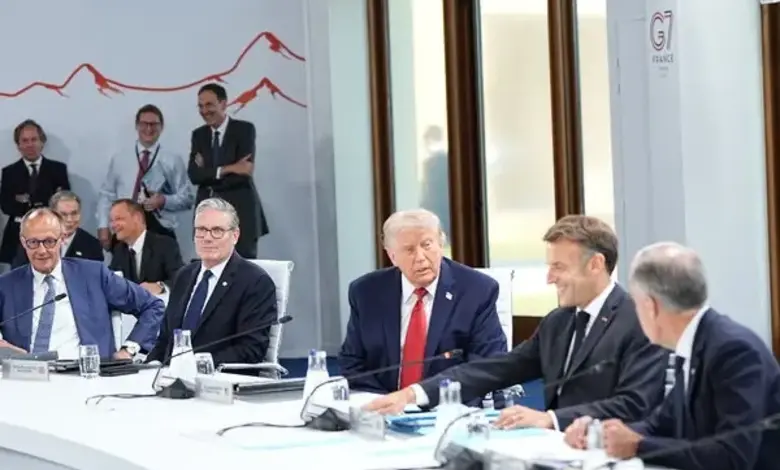
On June 17, 2026, leaders from the G7 nations met in France to discuss urgent steps toward peace in the Middle East. During their summit, they issued a strong call for an immediate ceasefire in Lebanon, where recent conflict has caused immense hardship and displacement for over a million people.
The G7 leaders expressed their support for a new, preliminary peace agreement between the United States and Iran. This interim deal, signed earlier in the week, is designed to stop the war that has been ongoing for months. As part of this agreement, Tehran has reportedly committed to reopening the Strait of Hormuz, a crucial waterway for global energy supplies, which has been blocked during the conflict.
ALSO READ: Trump’s Lighthearted “I’m the Boss” Moment Steals Spotlight at G7 Summit
However, the path to lasting peace remains complicated. A major point of tension is the situation in Lebanon. Iran has insisted that any permanent agreement with the U.S. must include a full withdrawal of Israeli forces from southern Lebanon. In contrast, Israeli leadership has stated they will maintain a presence in “security zones” for as long as necessary to ensure their country’s defense, creating a standoff that threatens the stability of the broader peace efforts.
The G7 statement also emphasized the need to disarm Hezbollah and secure Lebanon’s borders. To support the region’s recovery, the deal reportedly includes a massive $300 billion reconstruction fund, backed by neighboring Gulf states, provided that Iran fulfills its promises, particularly regarding nuclear safety.
While the G7 leaders hope this memorandum of understanding will lead to a final settlement, the situation remains fragile. With thousands of lives lost and regional powers holding conflicting demands, the coming 60 days of negotiations will be critical. If the current ceasefire holds and the parties can navigate these deep divisions, it could mark a major turning point in ending a conflict that has rattled the global economy and caused widespread suffering across the Middle East.
-
-
-
-