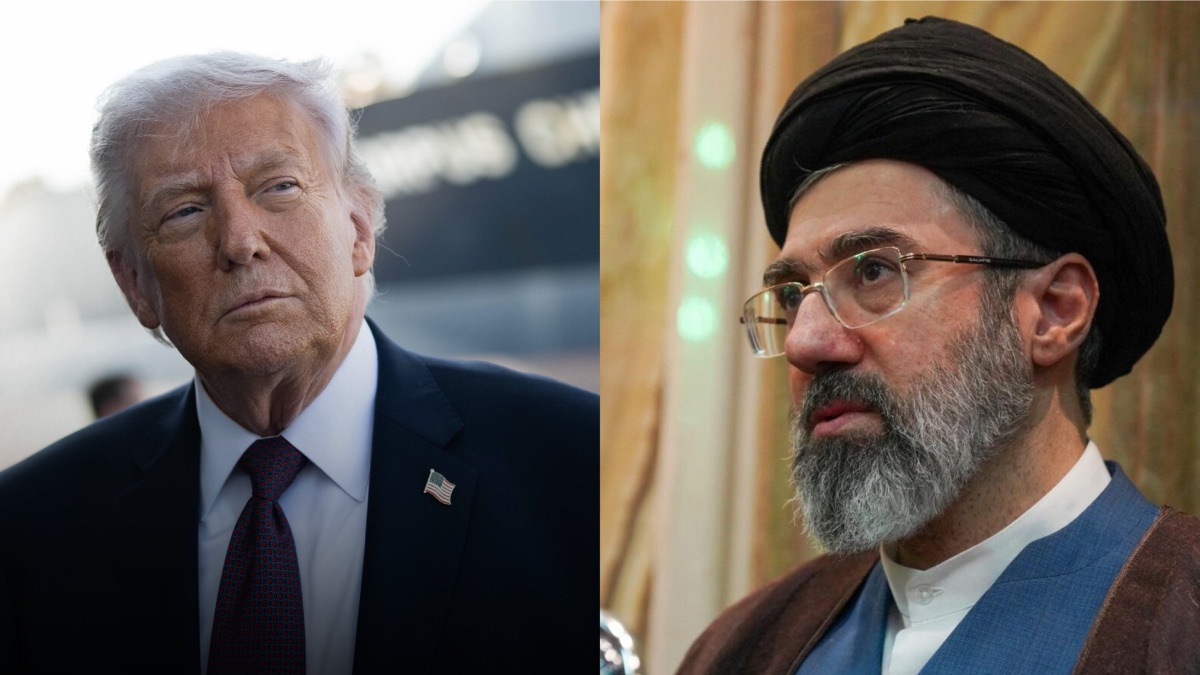
In a significant development amid ongoing regional tensions, the United States has agreed to release approximately $12 billion in frozen Iranian assets and temporarily ease oil sanctions, allowing Tehran greater access to international markets. This move follows recent high-level negotiations held in Switzerland, facilitated by mediators from Qatar and Pakistan.
Iranian officials have described the agreement as a key outcome of a 14-point memorandum of understanding signed earlier this month. The understanding establishes a framework for de-escalation and outlines a roadmap toward a comprehensive deal within the next 60 days. Technical discussions in Switzerland have concluded successfully, with four specialized working groups formed to address sanctions termination, nuclear issues, economic reconstruction and development, and monitoring and implementation.
Senior Iranian negotiators, including Parliament Speaker Mohammad Bagher Ghalibaf, have highlighted the release of funds split into two tranches of $6 billion each—as an immediate benefit. Preliminary arrangements were advanced during prior engagements in Qatar, with final details settled in Switzerland. The US Treasury Department has waived sanctions on Iranian oil and petrochemical exports until mid-August, enabling sales in US dollars for the first time in years. This also supports resumed maritime traffic through the Strait of Hormuz.
US officials, including Vice President JD Vance, have noted what they view as important Iranian concessions on the nuclear front, particularly commitments to enhanced international inspections. Efforts include bolstering verification measures to prevent nuclear weapons development. A de-confliction mechanism has been established to help curb military activities in Lebanon and maintain stability in key waterways.
ALSO READ : Pakistan’s Big Peace Bet Backfires After US Iran Talks Collaps; Unlike 9/11, Cold War, No Windfall Now
The steps come against a backdrop of long-standing sanctions dating back to 1979, which intensified over decades due to nuclear concerns, regional policies, and other issues. Critics in the US Congress have questioned the timing of sanctions relief, arguing it precedes sufficient progress on core disputes. Iranian representatives have defended the diplomatic engagement as necessary to reduce violence and advance national interests.
Both sides appear focused on practical outcomes, with observers noting increased financial flows and shipping activity as indicators of mutual gains. Further high-level talks involving senior figures from the involved nations are expected soon under a joint oversight committee. These developments mark a potential turning point in efforts to ease hostilities and stabilize the broader region.
-
-

-

-