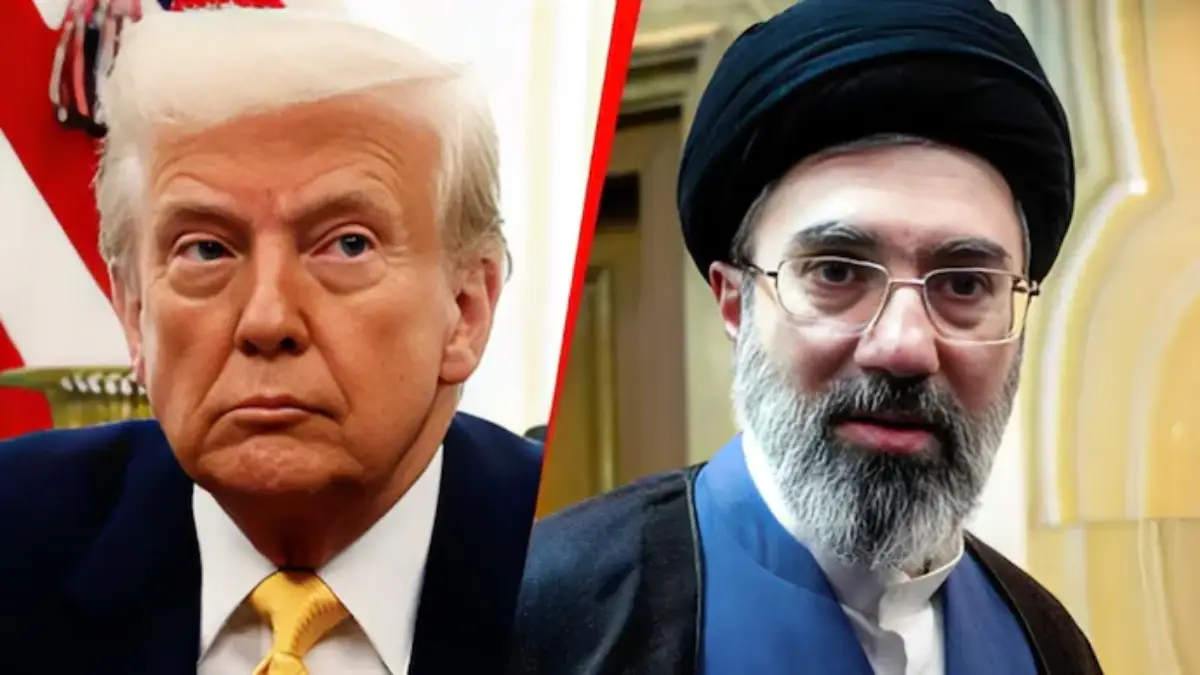
Washington: The United States and Iran have made significant progress toward a diplomatic resolution, narrowing their confrontation to a concise one-page memorandum that could pave the way for broader negotiations and conclude a three-month period of international tension.
Senior US officials informed Axios that a 14-point draft memorandum of understanding stands closer to completion than at any stage since clashes erupted in late February. This development follows intensive back-channel communications and mediated discussions in the past day.
Reports on the proposed memo have emerged primarily from Washington, while Iranian officials have maintained a cautious stance. Iranian Foreign Minister Abbas Araghchi indicated that Tehran, which maintains a strong diplomatic position despite military setbacks, seeks a “fair and comprehensive agreement.” He stopped short of confirming acceptance of the draft.
The document, viewed as a US-led initiative, is intentionally brief—a framework rather than a comprehensive treaty. President Donald Trump has sought to withdraw from a conflict anticipated to be brief and decisive. Its provisions focus on mutual de-escalation: the US would ease economic and military measures, lift sanctions, release frozen Iranian assets, and terminate its blockade, while Iran would agree to substantial limitations on its nuclear activities.
ALSO READ : US-Iran Deal Near? Inside the 14-Point Memo to End War, Reopen Strait of Hormuz
In a social media statement, Trump credited Pakistan and other intermediaries for his decision to scale back military actions. He announced a temporary pause in Project Freedom—the US effort to facilitate ship movements through the Strait of Hormuz—while the blockade remains in place, to allow time for finalizing the agreement. Hours later, he warned that failure by Tehran to accept the terms would result in intensified bombing campaigns.
According to US sources, the memo’s main elements, bearing some resemblance to aspects of the earlier Obama-era agreement that Trump previously criticized, include:
- A nuclear enrichment moratorium, with negotiators bridging differences toward a 12-15 year period.
- Potential removal or neutralization of Iran’s stockpile of highly enriched uranium.
- Phased lifting of US sanctions linked to Iranian compliance and release of frozen assets.
- Easing of restrictions in the Strait of Hormuz to restore vital global energy shipping routes.
- A formal ceasefire and a 30-day window for detailed follow-on talks.
Trump’s suspension of naval escort operations in the Strait of Hormuz signals immediate diplomatic movement, aimed at creating space for talks while keeping military options available. Iran has shown unexpected flexibility on enrichment limits, uranium stocks, and safe passage for shipping, though it demands substantial, upfront sanctions relief and expresses concerns over US clauses allowing resumption of strikes.
Challenges persist, including disagreements on the duration and verification of the nuclear freeze, the timing of sanctions relief, domestic political opposition in both capitals, and risks from ongoing regional incidents in the Gulf.
The approach underscores a shared pragmatic strategy: halt active conflict first and tackle complex issues in subsequent negotiations.
-

-

-

-