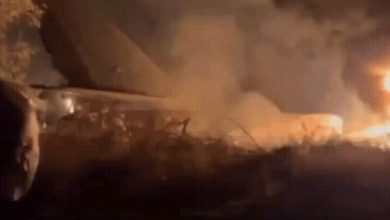
US and Israeli forces have sustained heavy airstrikes on Iran and Lebanon, while Iran’s counteroffensives continue to disrupt vital oil transportation routes across the Middle East. According to Al Jazeera’s live coverage, a drone struck the US embassy in Dubai, igniting a fire at the facility. Authorities in Dubai reported that the blaze was quickly contained, with no immediate details on casualties or the extent of damage released.
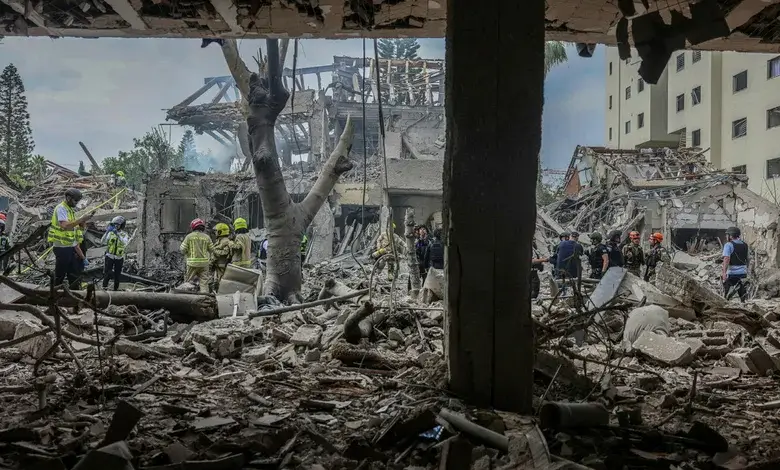
In parallel, US and Israeli aircraft pounded targets in Iran’s capital, Tehran, and other locations, including a strike on the Assembly of Experts building in the holy city of Qom. Israeli forces also carried out renewed attacks on Beirut, focusing on areas associated with Hezbollah amid ongoing exchanges in Lebanon.
The death toll from the conflict, which intensified following initial US-Israeli strikes on Saturday, has climbed to at least 787, as reported by Al Jazeera. Iran’s responses have included missile and drone attacks on US and allied assets across the Gulf region, contributing to broader regional instability and threats to maritime traffic, particularly through the Strait of Hormuz.
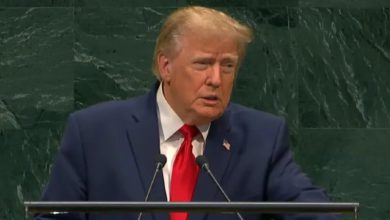
US President Donald Trump has justified the involvement of American forces, stating that strikes were necessary to preempt anticipated Iranian aggression. This stance contrasts with explanations from Secretary of State Marco Rubio regarding the rationale for military action against Iran. Trump has indicated readiness to deploy naval assets to secure tanker movements in key waterways if disruptions persist.
The violence follows a pattern of tit-for-tat operations, with Iran vowing continued retaliation and rejecting immediate diplomatic off-ramps. The situation remains fluid, with potential for further escalation as both sides press their military objectives.
-

-
-
-