
UNEP Report: World Set To Cross 1.5°C Threshold By End Of Decade Amid Mounting Climate Risks
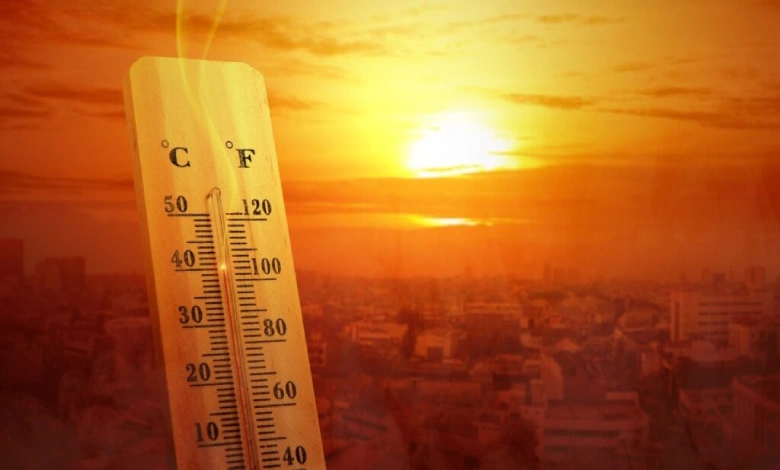
According to a recent assessment by the United Nations Environment Program, global temperatures are expected to rise more than 1.5°C over pre-industrial levels, although there is still time to reduce temperatures and fulfilll the objectives of the Paris agreements.
According to the “Limiting Overshoot” report, peak temperature rise is expected to be 1.8°C even in an optimistic scenario where all nations adhere to their national climate plans. The research emphasizes that this overshoot cannot be considered “safe or acceptable” and states that there are no “benign scenarios” if the temperature rise is not stopped quickly.
“Above 1.5°C, there are no positive results. Sea level rise, ecological destruction, extreme weather, and glacier melt will all get worse. Certain low-lying coastal communities and small island developing states may be entirely or partially drowned. Cities, infrastructure, food and water security, and human health will all be under more stress.”
In the report’s foreword, UNEP executive director Inger Anderson noted, “These effects won’t be distributed equally, and some losses will be irreversible even if global temperatures eventually decline.”



Stronger and longer heatwaves and flooding will put cities and infrastructure at higher danger. Marine life and the communities who depend on it will find it more difficult to live as a result of warming waters, decreasing oxygen levels, and increasing acidity, according to the report.
Nearly 14% of the world’s food supply is predicted to decrease by 2050 as a result of crops failing to adjust to the rising climate. The paper also warns of new infections, increased energy consumption, and an increase in diseases linked to malnutrition, all of which will have an impact on all countries.
The intense heat, blazing flames, and fatal floods of this summer serve as a warning of what’s to come. The overrun above 1.5 degrees must be as brief as little as feasible. In a UNEP press release, UN Secretary-General Antěnio Guterres stated, “That requires an overshoot of ambition.”
According to the report, reducing emissions and taking action to safeguard the most vulnerable communities and ecosystems are the first steps toward progress. A period of strong and prolonged decarbonization needs to be followed.
“Decisions made now and in the coming years will determine whether viable options remain to reverse warming toward 1.5°C, but efforts will need to evolve over time to address many unknowns.” Therefore, I urge governments and everyone else with the ability to bring about change to take swift, decisive action. We didn’t want this future,” Anderson wrote.
Also Read – US-Iran Conflict : Airstrike Hits Wedding; 5 Killed, Dozens Hurt