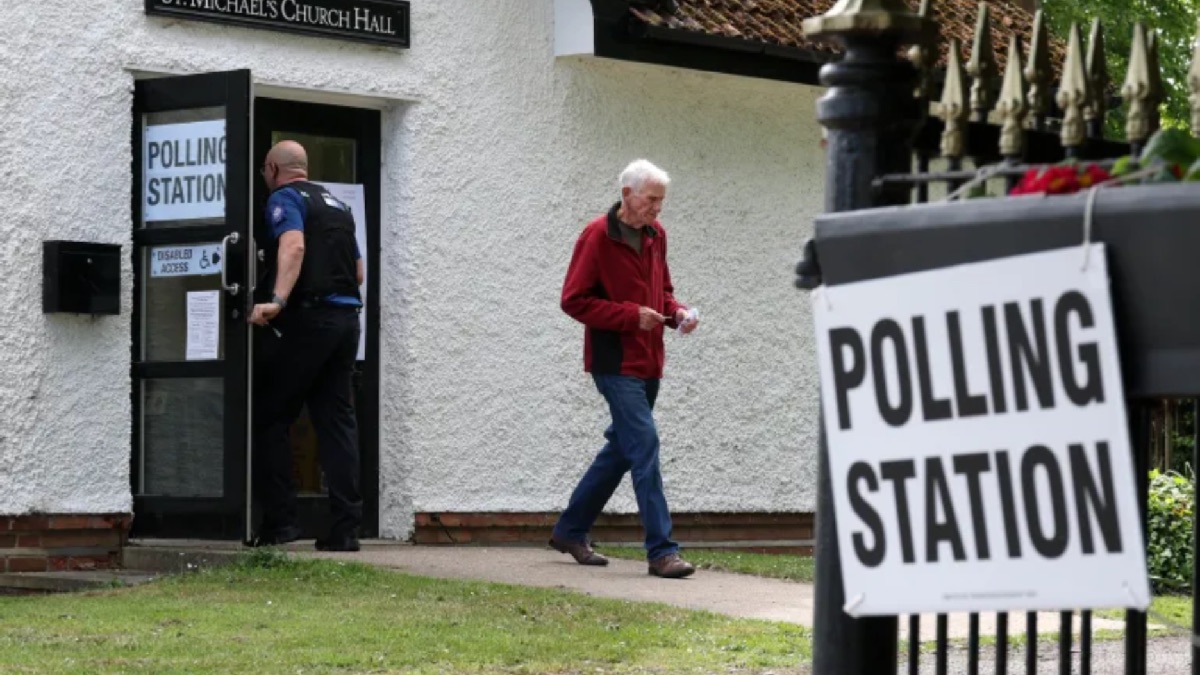
Millions of voters across England, Scotland and Wales are casting their ballots on Thursday, May 7, in a wide-ranging set of local, mayoral and parliamentary elections the most significant electoral test Prime Minister Keir Starmer and his Labour government have faced since winning the 2024 general election.
The results are expected to offer an early read on public mood toward Labour’s national government while also reflecting the growing strength of smaller parties. Political observers are watching the contests closely as Britain’s political system moves increasingly toward multi-party competition. Both Labour and the Conservatives have seen their poll numbers slide in recent months, with Reform UK, the Liberal Democrats and the Greens all expanding their support bases.
England: Council Control Hangs in the Balance
In England, voters are choosing 5,066 councillors across 136 local authorities, including all 32 London boroughs. Six mayoral races are also taking place in Croydon, Hackney, Lewisham, Newham, Tower Hamlets and Watford.
Labour goes into the elections as the dominant force in English local government, defending control of 66 councils. The Conservatives are protecting nearly 1,200 seats but remain under pressure following heavy losses in previous local elections. The Liberal Democrats and the Green Party are targeting gains in several councils, while Reform UK has fielded candidates across the majority of seats in a direct challenge to Britain’s traditional two-party structure.
Also Read:Three Killed Outside Linz Restaurant in Austria in Suspected Murder-Suicide
Scotland: SNP Fights to Hold Holyrood
All 129 seats in the Scottish Parliament are up for election, with the ruling Scottish National Party seeking to retain its position as the largest party under First Minister John Swinney. The SNP is defending 64 seats after a turbulent period that included the successive resignations of former leaders Nicola Sturgeon and Humza Yousaf. Scottish Labour, riding momentum from its 2024 Westminster performance, is pushing to challenge SNP dominance at Holyrood.
Wales: Historic Vote Under New Electoral Rules
Wales is holding a landmark election as the Senedd expands from 60 to 96 seats under a newly adopted proportional representation system. Welsh Labour, led by First Minister Eluned Morgan, is defending its long-established grip on Welsh politics. The new electoral framework is expected to sharpen competition, with Plaid Cymru and Reform UK both positioned to mount serious challenges to Labour’s hold over Cardiff Bay.
-

-

-

-