
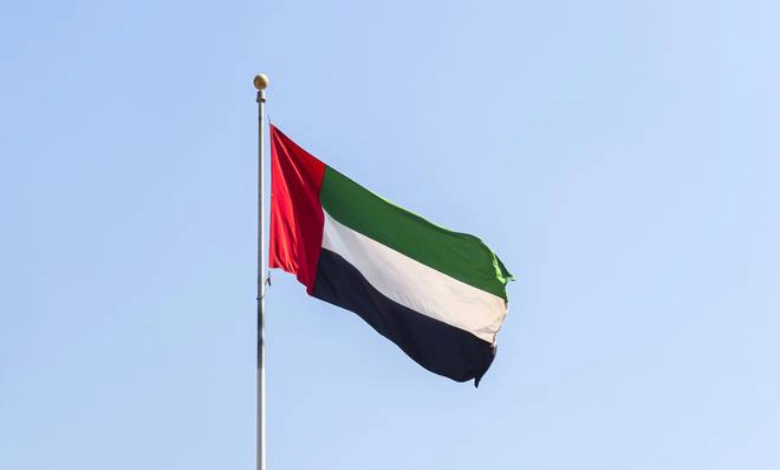
On Tuesday, the United Arab Emirates declared that all banking and commercial transactions with Iran had been halted. “All trade, commercial exchanges, and financial transactions with Iran have been halted until further notice due to regional escalations,” stated Afra Al Hameli, director of communications for the UAE’s foreign ministry.
A brief phone alert alerting people to a “potential missile threat” preceded the first UAE declaration by almost two hours.
The interior ministry issued a phone warning saying, “Due to the current situation, potential missile threats, immediately seek a safe place in the closest secure building,” but it was soon lifted.
Since a false alarm in June and an alert in July for an attack that eventually failed to reach UAE territory, this was the first such alert. The most recent missile alert was issued in early May prior to that.




The state-owned oil corporation ADNOC’s tankers have been the focus of many attacks in recent weeks.
Iran launched about 3,000 missiles and drones against the United Arab Emirates (UAE), more than any other country in the area, when the Middle East war started on February 28.
Unlike other Gulf governments, the UAE recorded no attacks following the implementation of a memorandum of understanding between the two parties in June, which has since crumbled. “UAE air defenses detected two ballistic missiles launched from Iran toward the country, with the first falling outside the country’s territorial waters, while the second fell within the territorial waters,” the ministry said in a statement shared on social media on Tuesday. Tehran later refuted the United Arab Emirates’ accusation that Iran had fired two ballistic missiles at shipping in the Gulf.
“Assessments carried out showed that the two ballistic missiles detected coming from Iran were targeting maritime navigation and fell into the sea,” according to a follow-up statement.
Esmaeil Baqaei, a spokesman for Iran’s foreign ministry, “categorically rejected the United Arab Emirates’ claim that Iran had launched a missile toward that country” and said it was detrimental to regional security and confidence.
However, Iran has threatened to keep the Strait of Hormuz closed until it strikes a peace deal with the United States, which is necessary for shipping departing UAE ports to leave the Gulf.
Also Read – UAE Warns of ‘Potential Missile Threats,’ Asks Residents to Seek Shelter