Dubai : The UAE’s exit from the Organization of the Petroleum Exporting Countries (OPEC) has altered the energy landscape in the Middle East and has opened new possibilities for global oil trade. Effective May 1, Abu Dhabi would be free from the oil cartel’s production limits, which are set primarily by Saudi Arabia, and can ramp up crude output to meet its full capacity.
The UAE is already one of India’s top crude oil suppliers, and New Delhi has been re-routing shipments via Fujairah amid disruptions in the Persian Gulf and the Strait of Hormuz. Abu Dhabi’s decision, announced on Tuesday, ends nearly 60 years of UAE membership in OPEC. UAE’s state news agency WAM reported that the exit follows a careful review of production policy and national interest.
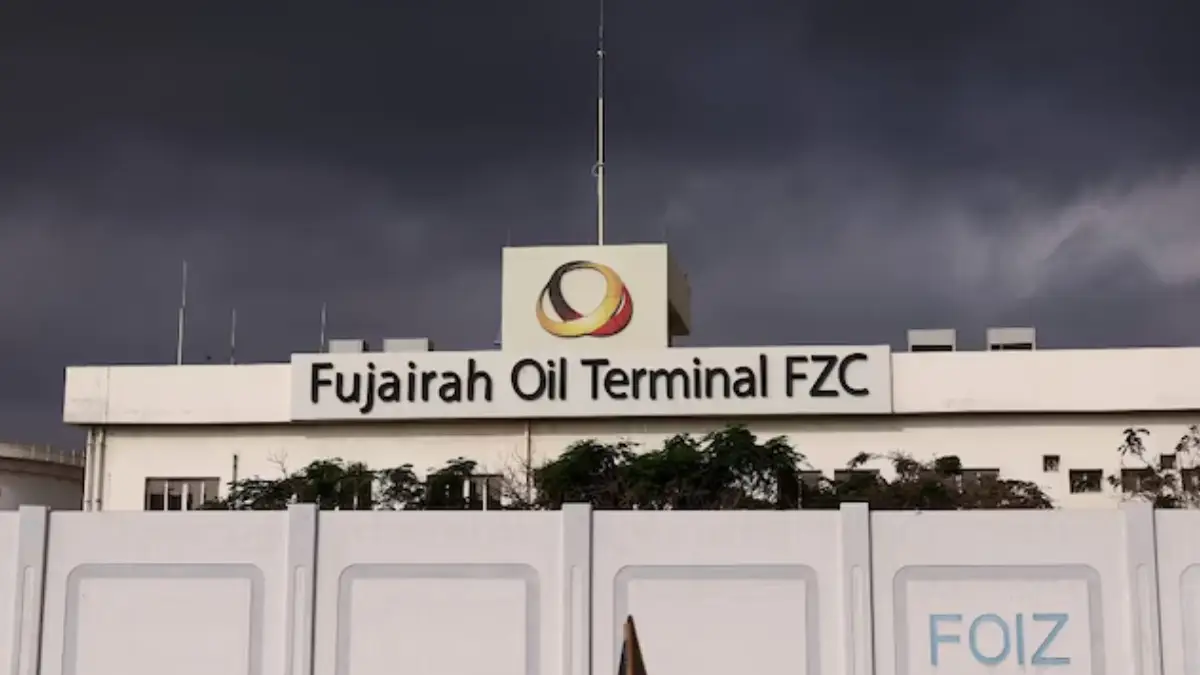
The cartel, led by Saudi Arabia, sets these limits so that too much oil does not flood the market and crash prices for every member. OPEC members agree to produce less to keep prices stable and protect revenues. The highlight of this new opportunity is the Habshan-Fujairah oil pipeline, also known as the Abu Dhabi Crude Oil Pipeline (ADCOP). Stretching 380-406 km from the Habshan oil fields in Abu Dhabi to the port of Fujairah on the Gulf of Oman, the pipeline was built precisely to avoid the narrow Strait of Hormuz.
Only a small offshore section is involved; the rest runs overland through UAE territory. From Fujairah, tankers load Murban crude and sail directly into the open Arabian Sea, skipping the congested and currently risky Hormuz chokepoint where 20% of global seaborne oil normally passes. For India, this route has already proved useful. Indian refiners have stepped up imports through Fujairah when Hormuz faced blockages.
India and the UAE enjoy a Comprehensive Strategic Partnership that goes far beyond oil. Bilateral trade between the two countries is currently heading towards a $200 billion target, with energy at its core. In the era of war, security matters more than ever, and reliable partners like the UAE matter. The Fujairah route reduces India’s exposure to Hormuz risks and supports the government’s push for diversified imports.
Read Also : Watermelon Prices Crash In Navi Mumbai After Family Death Case Sparks Fear