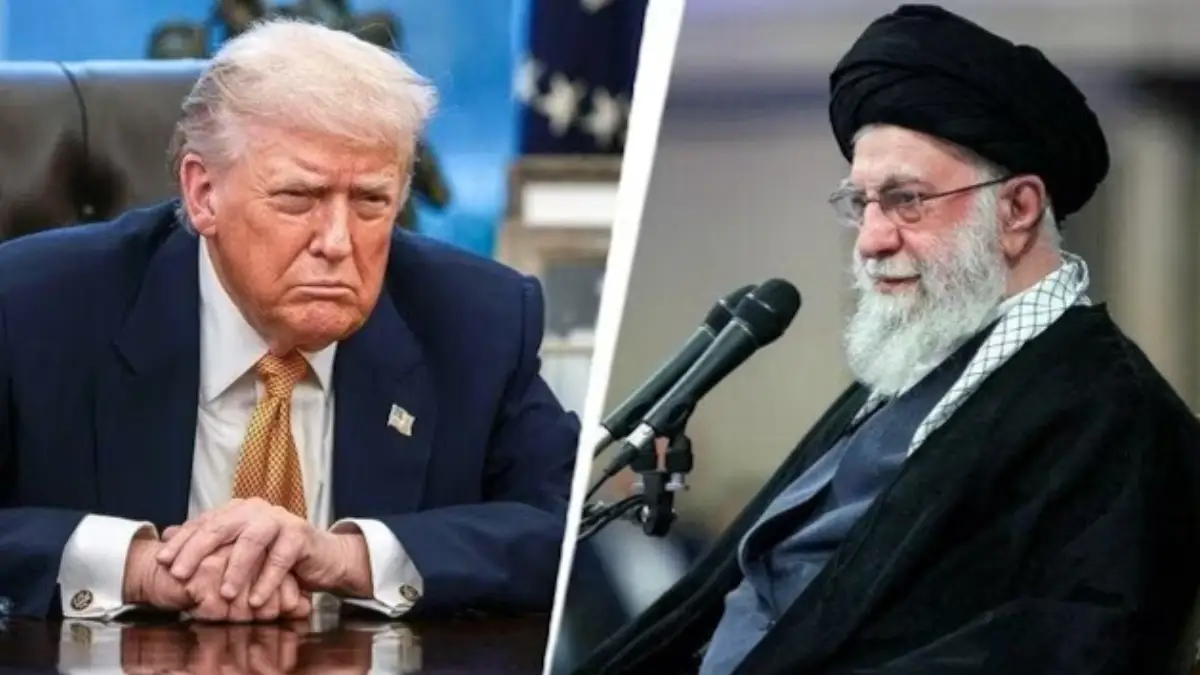
The United States military stands prepared to launch strikes against Iran as soon as this weekend, though President Donald Trump has yet to grant final authorization for such action.
This readiness follows an extensive American military deployment across the Middle East. A US official confirmed that Washington currently maintains 13 warships in the region, including the aircraft carrier USS Abraham Lincoln, accompanied by nine destroyers and three littoral combat ships. Additional vessels are en route. The USS Gerald R. Ford, the world’s largest aircraft carrier, is steaming from the Atlantic—having been redirected from the Caribbean—to join forces in the Middle East, escorted by three destroyers. The presence of two carriers, each capable of deploying dozens of fighter jets and supported by thousands of personnel, is uncommon and echoes the configuration during last year’s 12-day Israeli campaign, when the US conducted strikes on three Iranian nuclear facilities.
Beyond naval assets, the US has surged aircraft into the theater, including F-22 Raptor stealth fighters, F-15 and F-16 jets, and KC-135 refueling tankers essential for prolonged operations. Flight-tracking data from sources like Flightradar24 and open-source intelligence on X showed multiple KC-135s, E-3 Sentry airborne warning aircraft, and cargo planes active in or near the region as recently as Wednesday.
The buildup coincides with stalled nuclear negotiations. US and Iranian officials met in Geneva on Tuesday under Omani mediation, agreeing on “guiding principles” for a potential deal to replace the 2018 nuclear agreement that Trump withdrew from during his first term. However, White House Press Secretary Karoline Leavitt described progress as limited, noting the sides remain “very far apart” on key issues. She added that there are “many reasons and arguments” for a strike and urged Iran to “be very wise” in pursuing an agreement.
Trump, who authorized strikes on Iran last year, has oscillated between advocating military options and seeking a new nuclear accord. Sources told, the president has privately weighed pros and cons, consulted advisers and allies, and continues to deliberate intensely. It is uncertain whether a decision will come by the weekend, with one source describing him as “spending a lot of time thinking about this.”
ALSO READ : US-Iran War Risk Escalates: Report Says Conflict Could Begin Within Days, Last Weeks As Israel Prepares
Several factors heighten the risk of action. The nuclear impasse remains central, but other elements include Iran’s recent crackdown on widespread protests—sparking thousands of deaths—and perceived regime vulnerabilities following prior US and Israeli strikes. Israeli coordination with Trump has intensified, with reports of aligned economic pressures. A favorable oil market, with ample supply and subdued demand, could limit economic fallout from disruptions to Iranian exports. Some assessments suggest Iran’s retaliatory capacity is currently diminished due to weakened proxies and internal strains.
While Trump has threatened intervention if talks fail or if Tehran escalates further, no final order has been issued. Diplomacy continues alongside military preparations, leaving the situation tense and unresolved.
-

-

-
-