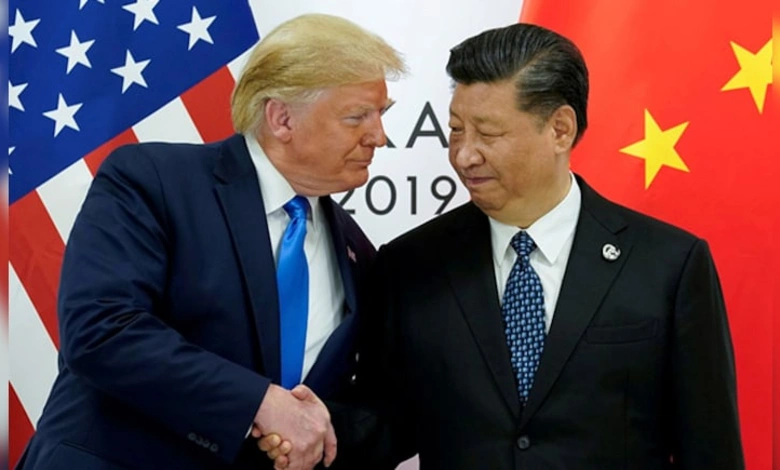
Donald Trump and Xi Jinping are heading into high-stakes talks in Beijing this week, their first face-to-face meeting in more than six months, as Washington and Beijing attempt to stabilise a relationship under significant strain.
Trump is scheduled to arrive in Beijing on Wednesday, May 13. Formal meetings between the two leaders are expected on Thursday and Friday, making this Trump’s first visit to China since 2017.
What Is on the Table
The agenda is wide-ranging. US officials say discussions are expected to cover trade tensions, Taiwan, Iran, artificial intelligence, nuclear weapons, and the future of a critical rare earth minerals agreement between the two countries.
Both sides are expected to announce new platforms aimed at strengthening trade and investment cooperation. China is also anticipated to confirm major purchases of Boeing aircraft, US agricultural goods, and energy products. Plans for a new Board of Trade and Board of Investment could be formally introduced during the summit, though US officials cautioned that additional negotiations may still be needed before those mechanisms become operational.
Also Read: Pakistan Sheltered Iranian Aircraft at Its Bases to Evade U.S. Strikes, Report Claims
A key unresolved question going into the talks is whether the temporary trade truce allowing continued Chinese exports of rare earth minerals to the United States will be extended. Officials said it remains uncertain whether a renewal will be confirmed during this week’s discussions.
Where the Two Leaders Left Off
The Beijing summit follows the last in-person Trump-Xi meeting, held on October 30, 2025, in Busan, South Korea, during Trump’s five-day Asia tour. The two leaders spoke for nearly 100 minutes. Trump called the talks “amazing” and later said he would rate the meeting “a 12 out of 10.” Chinese officials said both countries had reached a consensus on resolving “major trade issues.”
The Busan meeting came after months of escalating economic pressure Trump had threatened sweeping tariffs on Chinese imports while Beijing had tightened export controls on rare earth materials. Reports from that summit indicated discussions included tariff reductions, renewed Chinese purchases of American soybeans, expanded rare earth exports, and the easing of certain trade restrictions. The meeting was widely seen as a critical attempt to prevent a renewed global trade war.
Despite the progress made in South Korea, underlying tensions over trade, geopolitical rivalry, and the US-Israeli conflict with Iran have continued to weigh on the relationship. This week’s Beijing summit will test whether the two sides can translate the goodwill from Busan into durable agreements.
-

-

-
-