
Trump’s Former Personal Lawyer Todd Blanche Confirmed as US Attorney General in 50-49 Senate Vote
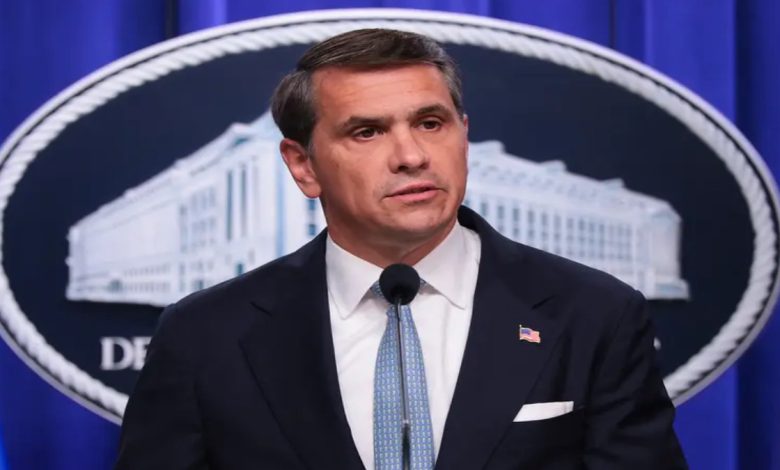
Todd Blanche is now attorney general, confirmed by the Senate early Saturday on a 50-49 vote — a margin thin enough that it took a last-minute written commitment to get there. Blanche, Trump’s former personal lawyer, had already been running the Justice Department in an acting role since April, after Trump fired Pam Bondi.
The confirmation fight got ugly, and not just along party lines. Two Republicans, Susan Collins of Maine and Lisa Murkowski of Alaska, broke with their party and voted no, joining every Democrat in opposition. What made this nomination especially fraught wasn’t really Blanche’s résumé. It was a settlement tied to Trump’s lawsuit against the IRS.
Under pressure, Blanche put it in writing: the department would drop Trump’s proposed $1.8 billion compensation fund, which would have paid out to Trump allies, including people involved in the January 6 Capitol attack. He also agreed to pull back a separate part of the settlement that would have shielded Trump and his family from IRS audits.
Those concessions won over Senator Bill Cassidy, whose vote ended up deciding the whole thing. Cassidy argued no other nominee was better positioned for the job, and that Blanche’s history as Trump’s own defense lawyer might actually make him more willing to push back on the president when needed. “This is not a referendum on President Trump. It is a decision regarding Mr. Blanche in very specific circumstances,” Cassidy said.



Democrats weren’t buying it. Senator Dick Durbin, the top Democrat on Judiciary, called the confirmation a “serious mistake” and warned colleagues not to end up on the wrong side of history. “If there is ever a moment in history when we need an Attorney General above reproach, who is clearly dedicated to ending corruption, even at the highest level of our government, it’s right now,” he said.
Blanche’s closeness to Trump was really the whole debate. Once he took over as acting AG, he moved fast on the president’s priorities, accelerating investigations into people Trump considers opponents. He was also the one who announced the settlement that created the $1.8 billion “Anti-Weaponization Fund” and the tax-audit immunity for Trump’s family — the same settlement Republican senators John Cornyn and Thom Tillis eventually pushed him to withdraw in writing, clearing the way for the Judiciary Committee to move his nomination forward this week.
Even with that fix in place, Murkowski didn’t budge. She said Friday she’d vote no alongside Collins, arguing the country needs an attorney general “who will check the worst impulses of this administration.” Judiciary Chairman Chuck Grassley took the opposite view, backing Blanche strongly and saying he’d run the department “with distinction,” calling him simply “the right choice.”
None of this is new territory for Blanche. A former federal prosecutor in New York, he became one of Trump’s lead defense lawyers, representing him in the hush money case and both federal criminal cases brought under the Biden Justice Department — cases Blanche has repeatedly pointed to as proof of what he calls the weaponization of the justice system against Trump. He joined DOJ last year as deputy attorney general under Bondi, running day-to-day operations and becoming the public face of the Epstein files release, among other flashpoints.
Also Read:Hasina Vows Dhaka Return As BNP MP Calls For Awami League Merger
Democrats say loyalty to Trump has driven everything Blanche has done at DOJ, pointing to investigations targeting figures like former FBI Director James Comey, along with a broader gutting of department staff. Between firings, resignations and people simply leaving, DOJ has lost thousands of employees under Bondi and Blanche combined.
His supporters see it differently: a career prosecutor who’s built real trust with Trump, and who might use that trust to explain the legal limits on what a president can ask of the Justice Department, rather than simply execute every demand. Republicans have also pointed to his record on violent crime, illegal immigration, cartels and drug trafficking.
Shortly after Blanche took over, DOJ moved to indict Comey over a social media post showing seashells arranged into “86 47,” calling it a threat against the president. Comey’s lawyers are now fighting to get the case dismissed, accusing the department of misleading judges and submitting false statements.
Blanche has also brought in Joseph diGenova, a former Reagan-era DOJ prosecutor, to lead a Florida-based investigation into whether former law enforcement and intelligence officials worked together over the past decade to undermine Trump. Whether that goes anywhere near criminal charges is still unknown.
With PTI Inputs