
European Nations and Japan Signal Readiness to Support Safe Passage Through Strait of Hormuz
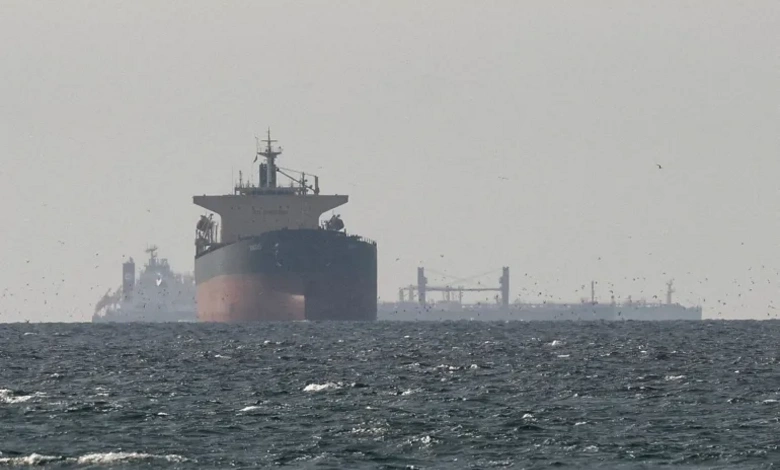
Several key European countries and Japan have publicly committed to contributing to measures aimed at ensuring secure navigation through the Strait of Hormuz, as escalating attacks in the Gulf region continue to drive unprecedented spikes in global oil and gas prices.
In a joint statement issued on Thursday, the leaders of Britain, France, Germany, Italy, the Netherlands, and Japan expressed their “readiness to contribute to appropriate efforts to ensure safe passage through the [Hormuz] Strait.” The declaration, reported by Al Jazeera citing AFP and Reuters, stopped short of detailing specific actions such as military deployments but called for “an immediate comprehensive moratorium on attacks on civilian infrastructure, including oil and gas installations.”
The announcement follows intensified disruptions triggered by the ongoing United States-Israel war on Iran, which began on February 28. Iranian forces have effectively closed the strategic waterway—through which roughly one-fifth of the world’s oil and gas transits—leading to severe supply constraints.
The International Energy Agency (IEA) recently authorized its largest-ever coordinated release of strategic petroleum reserves to mitigate the surge in prices. The joint statement further pledged additional measures to stabilize energy markets, including collaboration with select producing nations to boost output.



ALSO READ : Europe, Japan Condemn Iran Over Gulf Attacks, Vow Action To Keep Hormuz Open
Market impacts have been stark: Brent crude futures climbed nearly 6 percent to $113 per barrel by midday Thursday (briefly hitting around 10 percent higher), while European gas prices rose 25 percent in a single day and have surged over 60 percent since the conflict’s onset.
The situation worsened with recent strikes on key facilities, including Iran’s attack on Qatar’s Ras Laffan Industrial City—the world’s largest liquefied natural gas (LNG) complex, accounting for about 20 percent of global supply. QatarEnergy reported extensive damage affecting 17 percent of its LNG exports, with repairs potentially taking three to five years, according to CEO Saad al-Kaabi. Qatar’s Prime Minister Mohammed bin Abdulrahman bin Jassim Al Thani condemned the strikes on vital energy infrastructure as “unacceptable and unjustified.”
The statement emerged ahead of a scheduled White House meeting between US President Donald Trump and Japanese Prime Minister Sanae Takaichi, focused on strengthening bilateral ties. US Treasury Secretary Scott Bessent highlighted Japan’s heavy reliance on Gulf oil (95 percent of its crude imports) as a factor in ensuring supply security.
While Trump has repeatedly urged allies—including Japan—to deploy warships in a naval coalition to reopen the strait, the signatories have avoided explicit military commitments. Takaichi has emphasized adherence to Japan’s pacifist constitution and noted no formal US request has been received, though Tokyo is assessing possible contributions within legal bounds.
Economic analysts warn the disruptions extend beyond temporary effects. James Meadway, co-director of the Verdant economic policy think tank, told Al Jazeera that combined blockades and production halts signal a prolonged elevation in energy costs, with significant implications for inflation and global growth.
As major economies grapple with the fallout, the joint pledge underscores a collective push to restore stability without full alignment on military intervention.