In a sharp exchange highlighting ongoing friction between Washington and Tehran, Iran’s foreign minister has pushed back against a new American proposal to impose charges on shipping through the vital Strait of Hormuz.
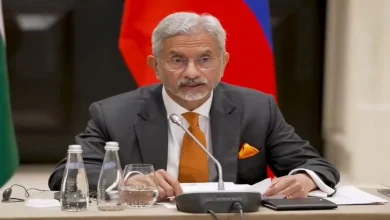
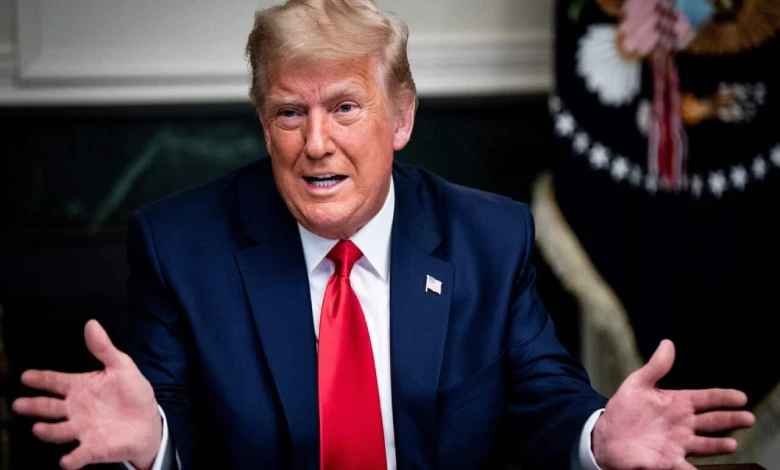
Seyed Abbas Araghchi responded late Monday to U.S. President Donald Trump’s announcement that the United States would act as the “Guardian of the Hormuz Strait.” Trump outlined plans for a 20 percent fee on cargo transiting the waterway to offset costs of ensuring maritime security. Araghchi, posting on X, adopted a tone of ironic agreement while firmly asserting Iran’s longstanding position.
“POTUS is absolutely right. Whoever provides secure and safe passage of commercial vessels through the Strait of Hormuz should be compensated for this service,” Araghchi stated. “Iran has always been the GUARDIAN of the Strait and will remain so FOREVER. 20% is of course too much. We will be fair.”
The remarks underscore Iran’s view that it maintains primary responsibility for security in the strategic chokepoint, through which a significant portion of global oil shipments passes.
Earlier on Monday, Trump declared the United States was reinstating measures related to the Iranian blockade and would begin charging the fee immediately. In a post on Truth Social, he emphasized that the strait would stay open regardless of regional tensions. “The Hormuz Strait is OPEN, and will remain OPEN, with or without Iran,” Trump wrote. He added that the U.S. would guarantee free passage for vessels from all countries except Iran and its customers, framing the fee as a matter of fairness to cover security expenses in a volatile area.
ALSO READ : ‘Pay Me’: Trump To Charge Fee For ‘Guarding The Strait Of Hormuz’
The proposal comes amid heightened tensions between the two nations in recent weeks. Iran has quickly rejected the initiative, reiterating its sovereign authority over the strait and cautioning against external interference in the waterway.
The Strait of Hormuz serves as a critical artery for international energy markets. Any disruption or new levies could ripple through global trade and energy prices, making the latest verbal clash between Trump and Iranian officials particularly noteworthy for observers monitoring Gulf stability.
Araghchi’s measured yet pointed reply acknowledging the principle of compensation while rejecting the scale and the claimed U.S. role signals Tehran’s determination to maintain its traditional stance on the strait without conceding ground. As both sides dig in, the exchange reflects deeper disagreements over control and security responsibilities in one of the world’s most sensitive maritime passages.