
Singapore Retains School Caning as Government Rolls Out New Anti-Bullying Framework for 2027
Singapore has reaffirmed that caning will remain a legal disciplinary measure in schools, even as the country introduces stricter anti-bullying policies aimed at creating safer learning environments for students.
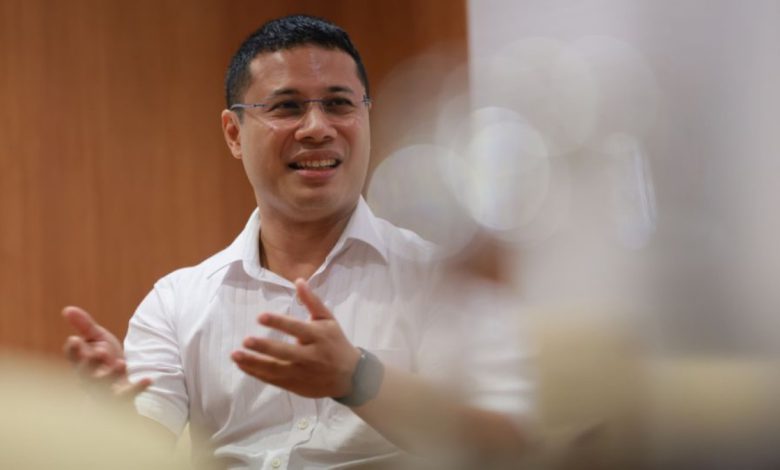
The issue returned to national attention this week after Education Minister Desmond Lee stated in Parliament that corporal punishment would continue to be used as a last resort in serious cases of student misconduct particularly bullying and repeated violations of school discipline rules.
Under Ministry of Education (MOE) regulations, caning is permitted only for male students and only under tightly controlled conditions. Female students cannot be caned under school rules. The punishment may be imposed for serious offences including bullying, fighting, vandalism, theft, smoking, vaping, and other major disciplinary breaches.
New Anti-Bullying Framework
The renewed debate follows the government’s announcement of a standardised disciplinary framework to be implemented across all schools by 2027. The measures form part of Singapore’s broader effort to address rising concerns over school bullying, including cyberbullying.




Under the updated guidelines, boys in upper primary school and above may face between one and three strokes of the cane for severe misconduct, but only after counselling, detention, suspension, and other corrective measures have failed to change the behaviour. Every case must be approved by the school principal and administered only by authorised staff members.
The Ministry of Education has also announced additional reforms, including a nationwide online reporting system for bullying cases by 2027, expanded counselling and mental health support in schools, stronger parent-school communication during disciplinary investigations, and standardised punishment guidelines across all educational institutions.
Government Defends Policy
Singapore authorities have defended school caning as a carefully regulated disciplinary tool rather than a routine punishment.
“Our schools use caning as a disciplinary measure if all the other measures are inadequate, given the gravity of the misconduct,” Minister Desmond Lee told lawmakers. He added that strict protocols are followed to ensure student safety, that every instance requires principal approval, and that only authorised teachers may administer the punishment.
Also Read: Trump Hypes UFO Files Release as Polymarket Opens Bets on US Confirming Aliens Exist
Lee also said schools would consider factors such as the maturity of the student and whether caning would help the student understand the gravity of what he had done.
MOE guidelines state that caning must be accompanied by counselling and follow-up guidance, and that schools must assess each student’s age, maturity, emotional well-being and educational needs before any punishment is imposed.
Critics Raise Human Rights Concerns
The policy has drawn criticism from international child rights organisations and mental health advocates, many of whom argue that corporal punishment can have long-term psychological effects on children. The World Health Organization has consistently opposed the practice, with an August 2025 WHO report stating that corporal punishment causes lasting harm and offers no real benefit. UNICEF has also consistently opposed corporal punishment in schools.
The measures have sparked heated debate online, with critics questioning whether physical punishment belongs in a modern education system. Some social media users described the policy as excessively harsh, while others argued it reflects Singapore’s broader emphasis on discipline and order. Many parents and educators in Singapore, however, continue to support strict disciplinary policies, saying they help maintain safety and respect within schools.