Tensions in Pakistan-occupied Kashmir (PoK) have spilled into British politics, with more than 50 UK MPs and peers pressing the British government to address a violent crackdown on protesters that has left multiple people dead and triggered a communications blackout even as the controversy now tears at Pakistan’s own ruling coalition.
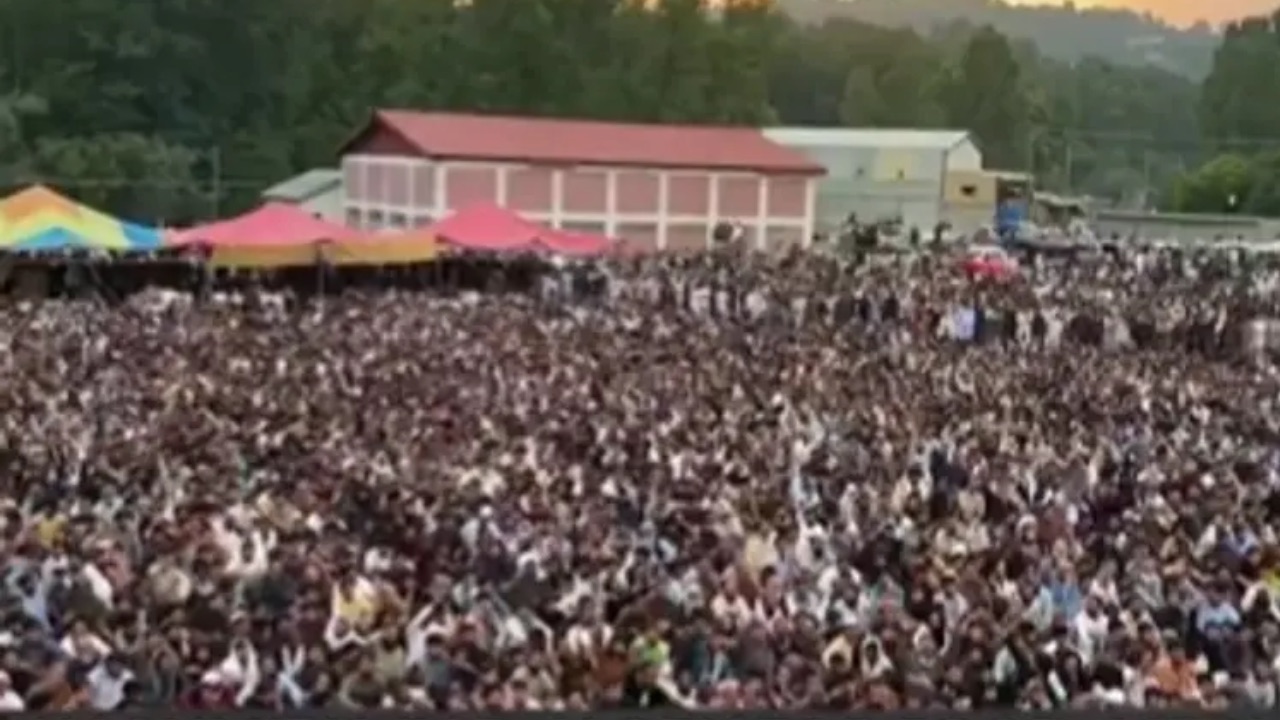
The unrest erupted in early June 2026, centred on Rawalakot in the occupied region. Protests organised by the Joint Awami Action Committee (JAAC), a civil society alliance, demanded subsidised flour and electricity, greater political rights, and an end to what demonstrators call exploitative governance from Islamabad. Authorities banned JAAC under anti-terror laws, citing threats to public order, shortly before a planned June 9 protest.
Clashes intensified on June 7-8 when mourners gathered outside a hospital morgue in Rawalakot following the death of JAAC activist Shahzeb Habib, shot during a police encounter on the night of June 5. Rights groups, including Amnesty International, say Habib posed no imminent threat to officers and have called for an independent inquiry into his killing. Police, however, allege JAAC members opened fire on law enforcement first; JAAC disputes this, saying security forces fired into a crowd in the dark after cutting power to the area. Casualty figures from the clashes remain contested police and Amnesty cite at least eight protesters and four police officers killed, while some rights groups and activist accounts claim a significantly higher toll, alongside mass arrests including of women and children. Internet and mobile services were heavily restricted, creating a communications blackout that has hindered information flow and contact with relatives abroad.
The issue has stirred concern in the UK, home to a large population with family ties to the region. On June 6, Bradford East MP Imran Hussain, chair of the All-Party Parliamentary Group on Kashmir, wrote to Foreign Secretary Yvette Cooper; the letter’s support has since grown to more than 50 parliamentarians, including Jeremy Corbyn, Diane Abbott and Tan Dhesi. It highlighted arrests, including of British nationals, the blackout’s impact on families, and a breakdown in dialogue, and urged the UK to engage diplomatically for de-escalation, lift restrictions, support British nationals and promote peaceful resolution. Prominent MPs including Bob Blackman have condemned the use of live ammunition against civilians, calling for accountability and citing evidence of British nationals among the injured. Protests by PoK activists have taken place outside the Pakistani consulate in Bradford and near Parliament.
Pakistan has rejected the MPs’ intervention as “unwarranted,” accusing them of disregarding the context and urging the UK to caution its parliamentarians. Peterborough MP Andrew Pakes called this response a threat against British lawmakers: “It is my duty to speak out against the human rights abuses. The Pakistani government has put out a statement threatening the British MPs for speaking about human rights, peace, and reconciliation.”
The matter has also been raised with the UK’s Middle East Minister, Hamish Falconer, who was in Pakistan recently and is reported to have met Pakistan’s foreign minister, Ishaq Dar. Pakistan’s government has separately said it raised concerns with BBC Urdu over its coverage of the situation in PoK.
Adding to the controversy, Pakistan’s Defence Minister Khawaja Asif sparked fury after questioning the Kashmiri identity of Rawalakot’s residents in a television interview, saying Rawalakot “is not Kashmir” and that he did not regard its people as “proper Kashmiris.” Asif later clarified on social media that Kashmiri identity was defined by “sacrifices and struggles waged over almost eight decades… not by birth certificates,” and has since stood by his remarks rather than apologise. The comments triggered a backlash within Pakistan’s own ruling coalition: PPP chairman Bilawal Bhutto Zardari and JUI-F chief Maulana Fazlur Rehman criticised Asif on the floor of the National Assembly, with Bilawal publicly questioning why a minister who made such remarks remains in cabinet.
-

-
-
-