
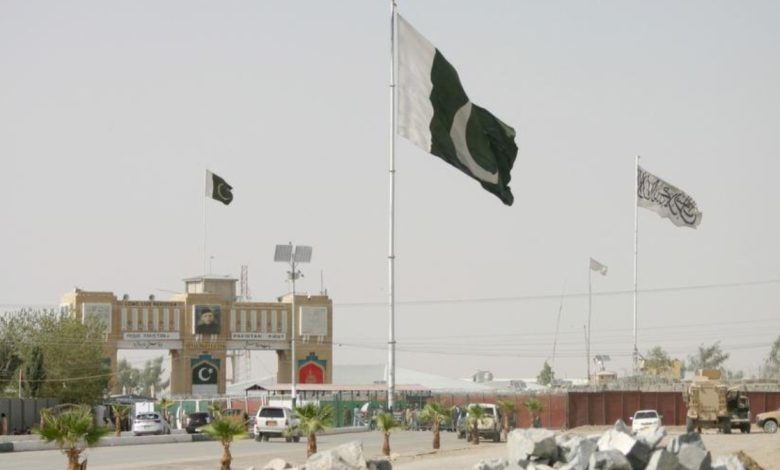
Pakistan is currently confronting a renewed escalation in militant violence, effectively reversing the security gains achieved through large-scale counterterrorism operations in the late 2010s. According to recent independent analysis and security data, the threat environment is intensifying across both remote border regions and major financial capitals as terrorist organizations broaden their operational scope.
The country recorded a sustained rise in terrorist attacks throughout 2023, building upon a notable increase previously documented in 2022. Security analysts emphasize that this resurgence is not a temporary anomaly but a continuous upward trajectory that has been developing over the past 24 months.
The Tehreek-e-Taliban Pakistan (TTP) remains at the forefront of this escalating instability. Identified as the most active terrorist organization operating within the country, the TTP has claimed responsibility for the vast majority of recent assaults targeting civilians and security forces alike.
Despite persistent nationwide counterterrorism operations conducted by Pakistani security forces, militant attacks remain frequent. Violence is overwhelmingly concentrated in volatile frontier provinces, where extremist networks continue to exploit safe havens and cross-border mobility along the porous boundary between Afghanistan and Pakistan. Islamabad has repeatedly attributed the orchestration of recent attacks to militant factions based across the Afghan border, specifically those affiliated with the TTP.



Also Read:India To Push The FATF To Place Pakistan On “Grey List” For Terror Funding: Report
Crucially, the security threat is no longer restricted to the country’s remote frontiers. A recent high-profile militant attack targeting the Sindh Rangers headquarters in Karachi illustrates that terrorist organizations now possess the capability to strike major urban centres. Speaking to the news agency Reuters, security analysts highlighted that while major Pakistani cities had experienced a period of relative calm in recent years, the latest wave of violence has ignited significant fears regarding the return of urban terrorism to the nation’s political and economic hubs.
As the geographic footprint of militant violence expands, the target profile maintained by these terrorist factions remains highly disruptive and diverse. Recent reporting indicates that extremist groups are consistently targeting:
- Frontline police officers and security personnel.
- Government officials and highly fortified military installations.
- Vulnerable religious minority communities.
- Chinese nationals and critical infrastructure projects, posing a direct threat to vital foreign investment.
With persistent cross-border raids destabilizing frontier provinces and the growing threat of urban terrorism targeting major metropolitan areas, Pakistan’s security apparatus is currently navigating a complex, dual-front challenge. As the nation confronts this volatile landscape, Islamabad’s central priorities remain fortifying urban targets while neutralizing the root of the TTP’s transnational network.