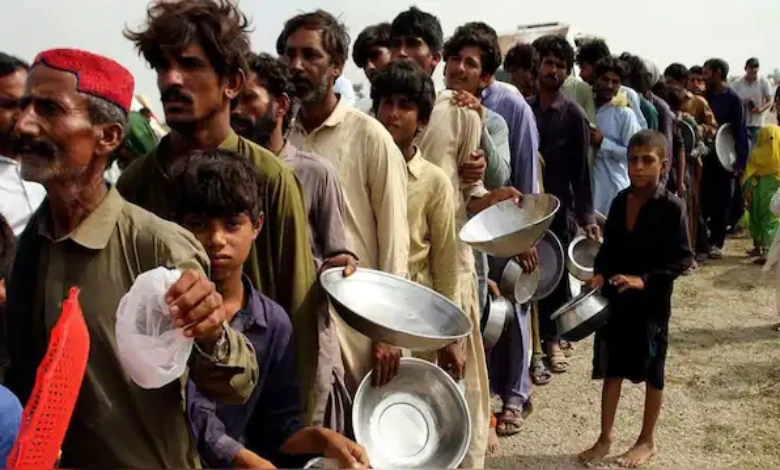
Pakistan’s rural areas have been most affected. During the period, poverty increased by around eight percentage points in rural areas and about six percentage points in urban areas, underscoring the growing disparity between cities and villages.
The report claims that the Covid-19 pandemic, many balance-of-payments problems, skyrocketing inflation, rising commodity prices, and protracted economic adjustment measures all contributed to the growth in poverty.
Additionally, the research highlights what experts refer to as a “lost decade” for the average Pakistani. Despite periods of economic development, many families are now in worse shape than they were a few years ago, as evidenced by the drop in inflation-adjusted household earnings and consumption during two successive survey cycles. Higher-income groups benefited most from the economy’s growth, while inflation gradually reduced the purchasing power of lower-income households.
According to the analysis, the economy’s gains were concentrated among higher-income groups, while inflation gradually reduced the purchasing power of lower-income people.
Rising prices exceeded income growth, which disproportionately affected families that relied on salaries. Because they owned assets like real estate and financial investments, which tend to increase in value during inflationary times, wealthier Pakistanis, on the other hand, were comparatively better protected.
Also Read – Hamas Names Top Negotiator Khalil al-Hayya As New Overall Leader
-

-

-

-