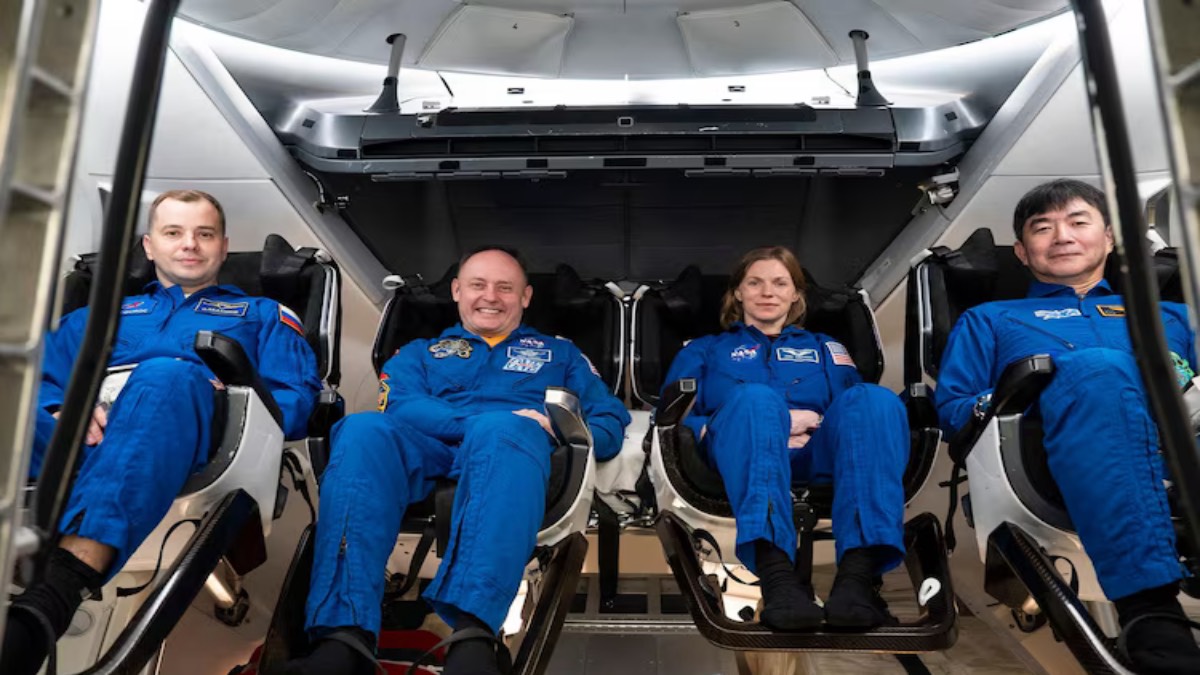
NASA revealed on January 8, 2026, that four astronauts from SpaceX’s Crew-11 mission will leave the International Space Station (ISS) earlier than planned because of a medical problem with one team member. This marks the first evacuation of its kind in the station’s 25-year history. first reported the development.
The crew consists of NASA astronauts Mike Fincke and Zena Cardman, Kimiya Yui from Japan’s JAXA, and Oleg Platonov from Russia’s Roscosmos. They launched in August 2025 from Kennedy Space Center on a Crew Dragon spacecraft, with an original six-month mission set to wrap up around March 2026.
Crew-11 (Dragon Endeavour) will return ahead of schedule due to a medical issue "in the coming days".https://t.co/aXlukWr97C pic.twitter.com/oIM8YhcrjF
— NSF – NASASpaceflight.com (@NASASpaceflight) January 8, 2026
Agency officials stressed that the affected astronaut is in stable condition, ruling out any immediate de-orbit. The decision stems from the need for thorough diagnostics not possible in microgravity. NASA Administrator Jared Isaacman, speaking at a Thursday press briefing, noted the timing fits with preparations for the Crew-12 mission, which could now launch ahead of its mid-February schedule.
Chief Health and Medical Officer Dr. James Polk pointed to the “lingering risk” posed by limited on-orbit testing, opting for caution. He declined to specify the medical issue or identify the astronaut, citing privacy. A spacewalk scheduled for Wednesday by Fincke and Cardman to support solar arrays was postponed, but officials said it had no connection to the return plans. covered the postponement.
Meet the Astronauts
The Crew-11 members departing early include:
- Zena Cardman (NASA, Commander): Leading the international team on her first spaceflight.
- Mike Fincke (NASA): A veteran on his fourth ISS mission, with expertise in extended stays.
- Kimiya Yui (JAXA): Japanese astronaut returning for his second mission.
- Oleg Platonov (Roscosmos): Russian cosmonaut on his maiden voyage.
The crew docked at the ISS on August 2, 2025, helping sustain operations since 2000 through global partnerships. NASA expects a splashdown “in coming days,” depending on weather, leaving one U.S. astronaut on board with Russian crew for seamless handoff.
Read More: US Trade Secretary Reveals How India Hurt President’s Ego, Read In Details
This measured response underscores progress in space medicine alongside the hurdles of microgravity, where standard tools manage everyday care but advanced cases require a return to Earth. Crew training prepares for such situations, and no alarm is needed. NASA is evaluating Crew-12 adjustments to avoid operational gaps, spotlighting the strong collaboration keeping the aging ISS running.
-

-

-

-