
Pakistan’s Khawaja Asif Admits Pakistan Forces Are “Physically Handicapped” Against BLA
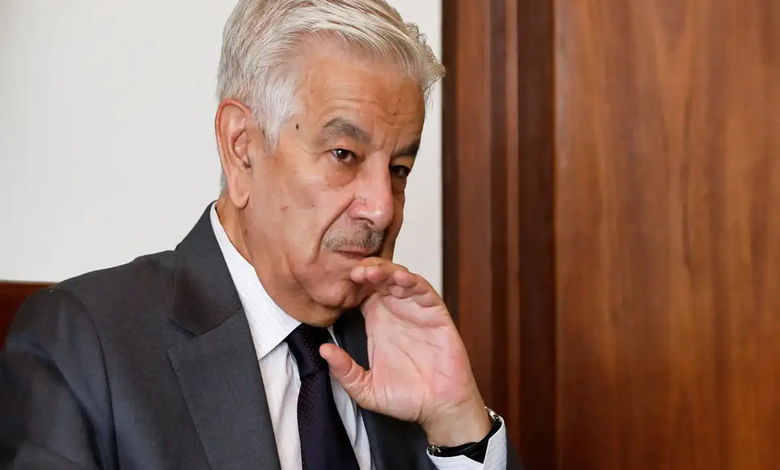
Islamabad : Pakistan’s Defence Minister Khawaja Asif acknowledged in the National Assembly that the country’s security forces are finding it extremely difficult to control violence in Balochistan, describing them as “physically handicapped” by the vastness and challenging terrain of the province amid a recent surge in militant attacks.
Asif’s candid comments come after a series of coordinated assaults by separatist militants, which authorities say targeted at least 12 locations across the restive province. These attacks resulted in heavy casualties among security personnel and significant damage to government infrastructure. The government reported that hundreds of insurgents have been killed during subsequent counter-terror operations.
In his address, Asif pointed to the sheer geographic scale of Balochistan, which covers more than 40 percent of Pakistan’s territory, as a major obstacle to effective security operations. He said that while troops are deployed and active in the region, the sheer size and sparse population make patrolling and guarding extremely demanding.
Asif also ruled out any negotiations with the Baloch Liberation Army (BLA), the group that claimed responsibility for the attacks, calling them “terrorists” and rejecting any talks. He accused criminal networks of operating under the BLA’s banner, suggesting a nexus between separatist fighters, tribal leaders, bureaucrats and smuggling gangs. Asif alleged that smugglers once made billions of Pakistani rupees daily from illicit oil trade.




The minister dismissed claims that Balochistan’s unrest stems from longstanding grievances over resource distribution and development, insisting the federal government has brought progress to the province. He cited infrastructure expansion, including airports, as evidence of development efforts.
Balochistan, which borders Iran and Afghanistan, has seen recurring insurgencies since the mid-20th century, driven by demands for greater autonomy and a larger share of natural resource revenue. Despite its rich deposits of minerals, gas and strategic ports, the province remains Pakistan’s poorest, and separatist groups have frequently targeted security installations, key infrastructure and projects linked to Chinese investment.