China Joins Trump in Claiming Role in Easing India-Pakistan Tensions
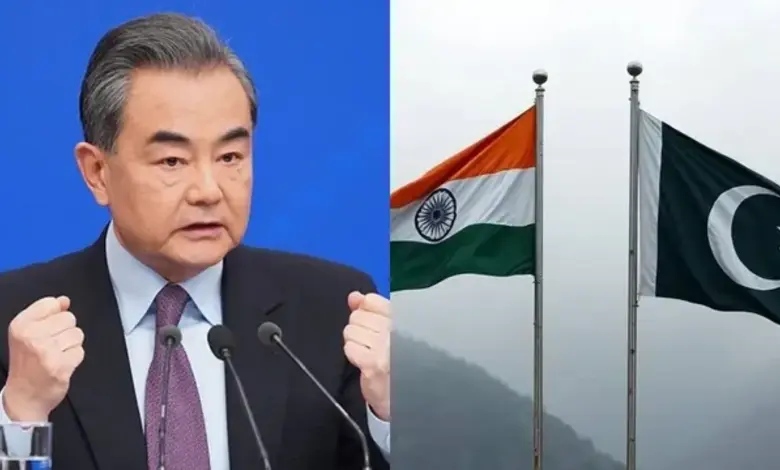
Beijing has asserted that it helped mediate tensions between India and Pakistan during their brief military confrontation earlier this year, echoing similar statements previously made by US President Donald Trump, even as New Delhi firmly rejects any involvement of external parties.
Chinese Foreign Minister Wang Yi, addressing a symposium on international affairs and China’s diplomacy in Beijing, highlighted his country’s efforts in resolving global hotspots. He stated that conflicts had intensified worldwide more than at any point since World War II, with geopolitical instability persisting. Wang emphasized China’s “objective and just stance” in promoting lasting peace by tackling both immediate issues and underlying causes.
Among several crises, Wang specifically claimed Beijing had mediated “tensions between Pakistan and India,” alongside efforts in northern Myanmar, the Iranian nuclear issue, the Palestine-Israel conflict, and recent disputes between Cambodia and Thailand.
India, however, has consistently maintained that the ceasefire following the May 7-10 Operation Sindoor was achieved solely through direct discussions between the Directors General of Military Operations (DGMOs) of the two nations. During a May 13 press briefing, the Ministry of External Affairs stressed that the agreement’s details, including timing and wording, were finalized in a phone call between the DGMOs on May 10, starting at 15:35 hours, without any third-party role.

ALSO READ : Tensions Ease At India Pakistan Border, But Precautionary Blackouts Continue In Parts Of Gujarat
New Delhi has long insisted there is no scope for external mediation in India-Pakistan matters.
China’s actions during the conflict have faced scrutiny, particularly its extensive military support to Pakistan, which accounts for over 81 percent of Islamabad’s arms imports. On May 7, Beijing urged restraint from both sides, expressing regret over India’s airstrikes while opposing terrorism in general terms, without directly naming Pakistan.
Wang also noted positive developments in China-India relations, citing improved momentum and Prime Minister Narendra Modi’s attendance at the Shanghai Cooperation Organisation summit in Tianjin in August. He described the event as a success and highlighted advancing ties with neighbors.
The claims come amid broader remarks on global challenges, including setbacks to economic globalization from tariff disputes, in an apparent reference to US policies under Trump.