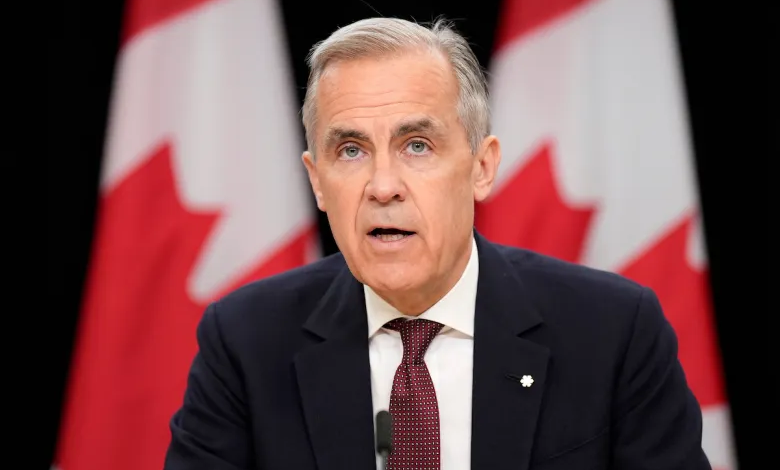
New Delhi: Canada has announced that it no longer associates India with violent criminal activities on its territory, indicating a potential easing of tensions as Prime Minister Mark Carney prepares for a trip to New Delhi. This development, as covered by The Toronto Star, follows a period of strained bilateral relations.
A high-ranking Canadian official, speaking in a confidential briefing reported by The Toronto Star, expressed assurance that the purported actions have ceased. “We have a very robust diplomatic engagement, including between national security advisers, and I think we can say we’re confident that that activity is not continuing,” the official noted. Another source emphasized that the upcoming visit underscores this view: “I really don’t think we’d be taking this trip if we thought these kinds of activities were continuing.” The Prime Minister’s Office subsequently stated that Canada will persist in tackling transnational repression, organized crime, and other illicit behaviors domestically, while resuming collaboration with India via law enforcement and security mechanisms.
The Toronto Star also detailed that this reevaluation stems from extended high-level security discussions between the nations. Officials mentioned that lines of communication among national security advisors and police forces are still open, with interactions proceeding gradually and prudently. The publication pointed out that Carney’s administration regards the visit as an element of wider initiatives to strengthen connections with significant international allies, especially in the Indo-Pacific area. Nonetheless, certain Sikh community figures in Canada voiced unease about the rapprochement, urging that probes into earlier claims proceed openly amid improving diplomatic links.
Also read : Netanyahu Surprises Modi In Traditional Indian Garb At Jerusalem Dinner
Carney Pursues Practical Realignment with India
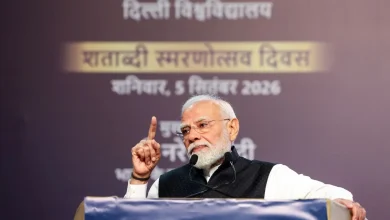
Mark Carney’s itinerary includes stops in Mumbai and New Delhi, representing his inaugural journey to India in his current role. He plans to confer with Prime Minister Narendra Modi, industry executives, and government representatives to bolster partnerships in commerce, energy, tech, AI, and military affairs.
Canada views India as a vital economic collaborator, with two-way trade hitting $30.8 billion in 2024. Discussions have centered on restarting talks for a Comprehensive Economic Partnership Agreement (CEPA) to elevate trade to $70 billion by 2030. According to The Toronto Star, Carney’s team sees ties with India as a strategy to broaden trade networks amid global uncertainties. However, this pivot has faced backlash from Sikh advocates.
Moninder Singh, a faith leader from British Columbia, informed the newspaper of repeated police alerts regarding dangers to his safety following Nijjar’s death, labeling the renewed ties as disloyal. Canadian authorities affirmed that security consultations with India are ongoing. Trade Minister Maninder Sidhu remarked that the country can safeguard its domestic groups while pursuing global economic opportunities.
Background of the Diplomatic Strain Post-Nijjar Assassination
Bilateral ties between Canada and India worsened significantly after the June 2023 slaying of Hardeep Singh Nijjar, a Sikh independence advocate, in British Columbia. Later, former Prime Minister Justin Trudeau informed Parliament of “credible allegations” implicating Indian state operatives in the incident. India dismissed these as “absurd.” The fallout included reciprocal diplomat removals, halted visa processing, and paused trade negotiations.
In October 2024, the Royal Canadian Mounted Police (RCMP) asserted possession of proof connecting Indian officials to violent offenses in Canada, such as intimidations toward Khalistan supporters. Officials in Canada suggested involvement by India’s Home Affairs Minister Amit Shah. New Delhi vehemently refuted all accusations. India contended that Canada was harboring radical and separatist groups.
Following Trudeau’s departure, India’s Ministry of External Affairs indicated willingness to restore relations grounded in “mutual trust and sensitivity.” MEA spokesperson Randhir Jaiswal attributed the relational decline to the “license that was given to the extremist and secessionist elements” in Canada.
Also Read : Four Killed in Shootout Involving Florida-Registered Speedboat