
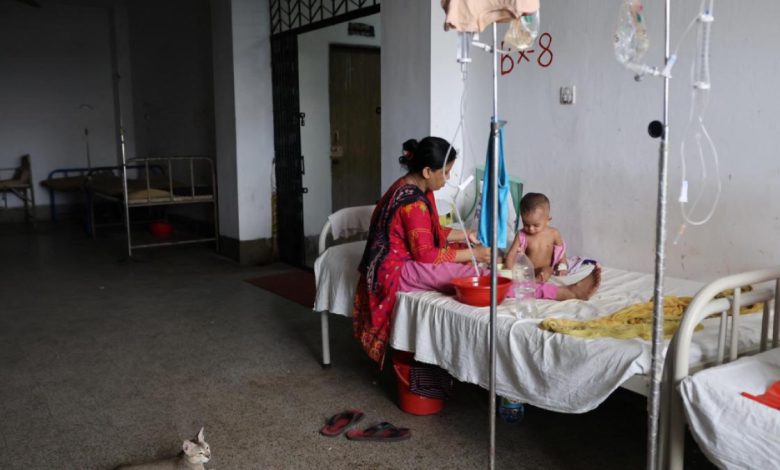
Bangladesh is grappling with its most severe measles epidemic in decades, as the viral disease continues to spread rapidly across the country. Figures from the Directorate General of Health Services (DGHS) show that suspected cases have crossed 166,000 since the start of the year, with deaths linked to suspected measles nearing the 1,000 mark.
The World Health Organization (WHO) has designated the outbreak a national high-risk crisis. The virus has spread to all 64 districts spanning the country’s eight divisions, with densely populated urban areas particularly Dhaka’s informal settlements and slum clusters emerging as key hotspots.
Children remain the most affected group. Health authorities report that those under five years old make up around 80% of all recorded cases, while infants below nine months, who fall outside the routine immunisation age bracket, account for nearly a third of infections. Widespread malnutrition among at-risk populations has further raised the likelihood of severe complications, including pneumonia and encephalitis.
Gaps in immunity behind the surge
Public health officials point to significant lapses in population immunity as the driving force behind the crisis. While Bangladesh had previously sustained strong vaccination coverage, routine immunisation efforts were badly disrupted in recent years. The lingering effects of the COVID-19 pandemic, delays in scheduled quadrennial immunisation drives, and vaccine supply shortages combined to leave a large number of children unprotected.




Global health standards call for at least 95% coverage of two vaccine doses to achieve herd immunity and stop transmission — a threshold Bangladesh has failed to meet in recent years.
In response to the rising death toll, the Bangladeshi government has joined forces with UNICEF, WHO, and the Gavi vaccine alliance to roll out emergency nationwide vaccination drives aimed at approximately 18 million children. Health workers are administering vaccines through temporary community centres, schools, and door-to-door visits in an effort to close the immunity gap.
Even with these measures underway, hospitals and clinics in the worst-hit districts continue to report being stretched thin. Health officials are urging families to ensure their children receive complete vaccination coverage, stressing that routine immunisation remains the most effective safeguard against the disease.