Tensions between the United States and Iran escalated sharply on Wednesday, further complicating ongoing efforts to secure a ceasefire in their ongoing conflict. The latest round of hostilities erupted after US forces conducted strikes on Iranian targets in response to the reported downing of an American Apache helicopter.
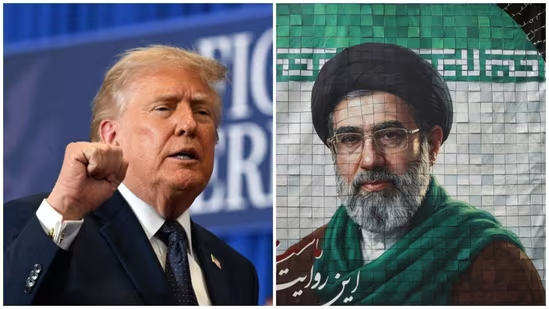
President Donald Trump directly accused Iran of responsibility for the incident over the Strait of Hormuz, stating that the two pilots were safely rescued by a US naval drone and sustained no injuries. He described the event as the first loss of an Apache helicopter since the conflict began earlier this year and vowed a robust American response.
In a series of statements, Trump criticized Iran’s military capabilities, declaring its forces largely ineffective and asserting that the country had squandered chances for a beneficial agreement. He warned that Tehran would face consequences for prolonging negotiations, using strong language to characterize Iran’s regional influence as diminished.
Hours after claiming that peace talks were nearing completion, Trump reiterated that any US retaliation would be forceful. US Central Command confirmed strikes on Iranian positions, describing them as a measured defense against unprovoked aggression. Targets reportedly included air defense systems and radar sites near the Strait of Hormuz, with explosions reported in the area and disruptions to local water supplies.
Iran responded with its own attacks, launching missiles and drones toward US bases in Jordan, Kuwait, and Bahrain. Officials in those countries reported intercepting the incoming threats. Iran’s Foreign Minister emphasized the nation’s resolve to counter any aggression and urged foreign forces to depart the region for their own safety.
ALSO READ : Thirst Hits Iranian Coastal Town After US Strikes Allegedly Damage Water Reservoirs
In the aftermath, Iranian authorities indicated they were reassessing diplomatic negotiations in response to the US actions. President Masoud Pezeshkian stressed the need to move past the current limbo of neither full war nor peace, noting that resolving the standoff through dialogue remained essential.
The exchanges have strained a delicate ceasefire that took hold in April. Energy analysts have raised concerns about prolonged disruptions in the Strait of Hormuz, a vital oil transit route. Forecasts suggest crude oil prices could stay elevated, averaging significantly higher than pre-conflict levels in the coming months.
This flare-up underscores the precarious balance in the region, where military actions continue to test diplomatic pathways. Both sides appear locked in a cycle of retaliation even as broader talks aim to de-escalate the situation.