
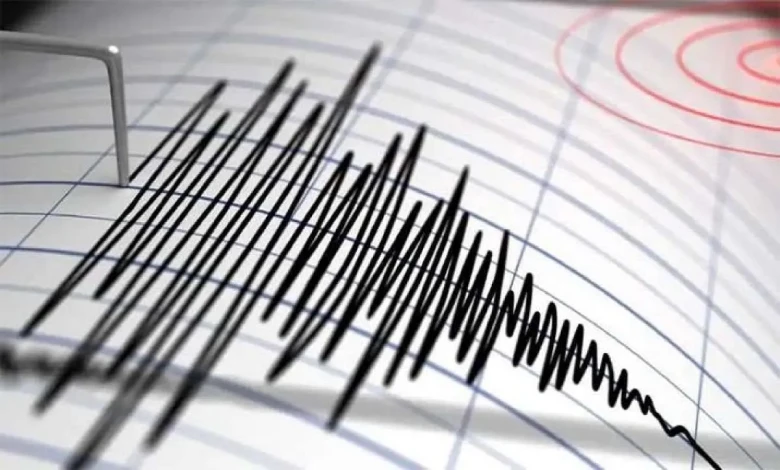
Kyushu, the southern main island of Japan, Kumamoto prefecture was hit by a strong earthquake with a magnitude of 7.1. According to the Japan Meteorological Agency (JMA), the epicenter of the earthquakes was located ten kilometers below the ocean’s surface.
According to Sanae Takaichi, the Prime Minister of Japan, there have been reports of injuries from the earthquake, and a building in the area has fallen.
Waves of up to one meter (3.28 feet) are predicted, according to the authorities’ tsunami warning. Coastal residents have been advised to obey official evacuation instructions and relocate to higher ground.
Waves of that magnitude may already have been recorded, according to broadcaster NHK.




The Japanese Prime Minister’s office has directed the authorities to promptly evaluate the damage situation. Additionally, the government directed agencies to put human life first and to use maximum effort while responding to emergencies or disasters.
Authorities also guaranteed that following Tuesday’s earthquake in southwest Japan, no immediate anomalies were recorded at nuclear power plants. Following a 7.1-magnitude earthquake that rocked southwest Japan on Tuesday, the Nuclear Regulation Authority confirmed that there were no immediate anomalies at nuclear power reactors.
On Japan’s southern Kyushu island, the prefectures of Kumamoto, Nagasaki, Kagoshima, Fukuoka, Saga, Oita, and Miyazaki received emergency earthquake warnings from the Japanese government.
On June 25, a 7.2-magnitude earthquake struck northern Japan, however it did not result in any fatalities or significant damage.
Perched atop four major tectonic plates along the western edge of the Pacific “Ring of Fire,” Japan is one of the most seismically active nations in the world.
The archipelago, which is home to around 125 million people, is responsible for 18% of all earthquakes worldwide and usually receives hundreds of shocks annually.
Although the harm they do varies depending on their position and the depth below the Earth’s surface at which they impact, the great majority are moderate.
Japan is plagued by memories of the 2011 catastrophic 9.0-magnitude underwater earthquake that destroyed the Fukushima nuclear plant and caused a tsunami that killed or left almost 18,500 people missing.
At least ten people were injured and major structures in Tokyo were shaken by a 7.7-magnitude earthquake that struck the country’s north on April 20 of this year. A special advisory warning of an elevated danger of earthquakes of magnitude 8.0 or higher was issued by authorities as a result. After a week, the advisory was removed.
Also Read – Macron Holds Emergency Meeting As France Braces For Another Heatwave