
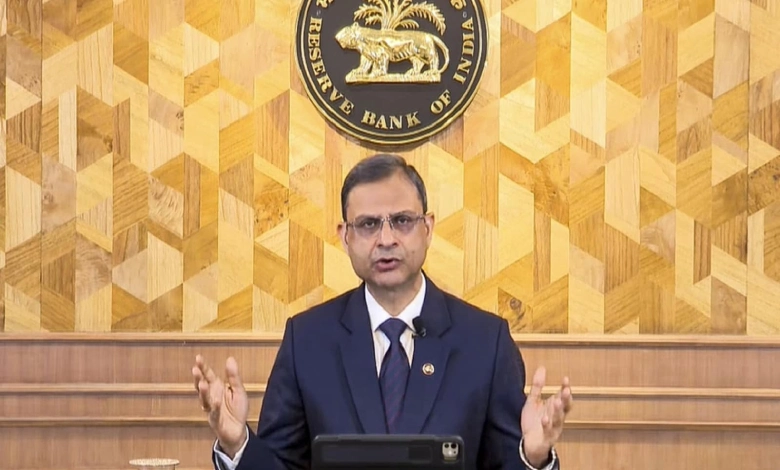
Currently free, UPI transactions could eventually come with a cost.
RBI Governor Sanjay Malhotra was questioned if there would be fees for UPI transactions during a news conference following the announcement of the repo rate on Wednesday. “It is very premature to talk right now,” he stated in response. The amendment is still being implemented by the administration. Someone must cover the expenses. Everyone wants this public infrastructure to keep getting better. Let’s keep an eye out for any new developments in this.”
The announcement coincides with rumors that UPI transactions may be subject to a Merchant Discount Rate, or MDR. “The expense is already being transferred. Someone is footing the bill, even if it doesn’t directly affect the user. When I mentioned that someone would have to cover the expenses, I meant this. Whether it’s MDR or something else entirely, what matters is that we keep investing and finding ways to do so. The governor of the RBI continued, “Let’s wait and watch how things develop.
UPI feels liberated. Pay, tap, and you’re done. No cost, no hassle.



However, in order to maintain that system, banks and payment providers bear actual costs. They have been prohibited from charging merchants an MDR on UPI transactions from January 2020. Instead, the government intervened by providing subsidies.
The boom has outpaced that subsidy. UPI has taken off. Every month, billions of transactions totaling lakhs of crores of rupees take place. Furthermore, only a portion of the actual costs incurred by banks and payment companies to maintain the rails are covered by incentive payouts.
Changes to the Payment and Settlement Systems Act have been proposed in Parliament by Finance Minister Nirmala Sitharaman. The modification makes it possible for MDR to reimburse some UPI transactions.
An MDR of 0.3% to 0.5% is the concept under discussion; it would only be applied to transactions over Rs 2,000 and to larger merchants that surpass a sales threshold. It is anticipated that regular consumer transfers and small shops will remain unaffected.
Basically, if you’re paying your local kirana store, nothing changes. When a large retail chain bills you more than Rs 2,000, the merchant may start charging a modest fee to process the payment. Not you. The merchant.
So, it’s not a UPI tax on users. It’s a levy on the business accepting the payment, on big-ticket transactions only.
It costs money to run a payments network this big. Settlement systems, servers, infrastructure, and fraud checks are all expensive. Currently, the government uses subsidies to cover a portion of that cost. Banks and payment service providers discreetly absorb the remainder.
RBI Governor Sanjay Malhotra made a simple point, such arrangement cannot last forever. The money must come from somewhere. The true question is whether it is the government, the retailer, or ultimately the consumer.
Also Read – No Leaks, No Hype : How The Govt Quietly Sold Rs 31,500 Crore Worth Of LIC Shares