
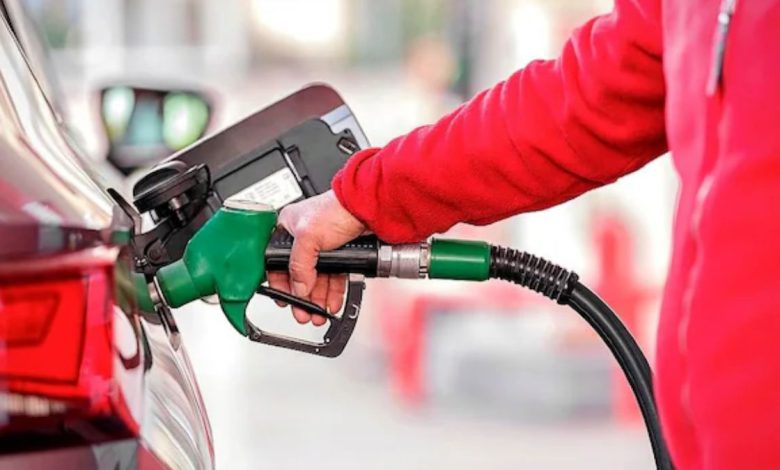
With the Indian government making the sale of E20 petrol mandatory across the country, many vehicle owners are wondering how the fuel will affect their cars. E20 is a blend of 20 per cent ethanol and 80 per cent petrol, introduced as part of India’s efforts to reduce crude oil imports, support farmers producing ethanol feedstock and lower vehicle emissions amid global oil market uncertainty.
While E20 may seem similar to conventional petrol, it behaves differently inside an engine. Here’s what science says about its impact on fuel efficiency, performance, vehicle compatibility and the environment.
How Does E20 Fuel Burn?
Ethanol is more than just petrol with an additive mixed in. Because it contains oxygen within its chemical structure, it burns more completely than regular petrol. This results in cleaner combustion, reducing the amount of unburnt pollutants released from the engine.
E20 also has a higher octane rating than conventional petrol, helping reduce engine knocking and allowing smoother combustion, particularly when the engine is under load.




However, ethanol contains less energy per litre than petrol. As a result, every litre of E20 delivers slightly less usable energy, which explains many of the practical differences drivers may experience.
Will E20 Reduce Mileage?
Research and real-world testing consistently show that E20 fuel leads to a small reduction in fuel efficiency. In vehicles designed to run on ethanol blends, mileage generally decreases by around 3 to 4 per cent.
The difference is usually gradual rather than immediately noticeable. Drivers may simply find themselves refuelling slightly more often or observing a modest increase in fuel expenses over time.
This does not indicate an engine problem. Instead, the engine requires a little more fuel to generate the same amount of energy because ethanol contains less energy per litre than petrol.
Does E20 Change the Driving Experience?
For most motorists, switching to E20 will not noticeably affect everyday driving. Modern engines are engineered to automatically adjust to ethanol blends, allowing them to maintain normal power delivery and performance.
Whether driving in city traffic, cruising on highways or overtaking, the overall driving experience remains largely unchanged.
In some situations, drivers may notice slightly smoother engine operation at lower speeds due to ethanol’s higher octane rating, which helps minimise knocking and improve combustion stability. However, these changes are generally subtle.
Is E20 Safe for Older Vehicles?
Most new vehicles are designed with E20 compatibility in mind. Their fuel systems, seals and engine components are built to withstand higher ethanol content, and long-term testing indicates they perform reliably with E20 fuel.
Older vehicles, however, may not be fully compatible. Many were designed before higher ethanol blends became common, and prolonged use of E20 can gradually affect certain rubber components and fuel system materials. While it is unlikely to cause immediate damage, compatibility becomes an important consideration depending on the vehicle’s age and condition.
Environmental Benefits of E20 Fuel
One of E20’s biggest advantages is its environmental impact. Since ethanol contains oxygen, it promotes more complete combustion, reducing emissions of carbon monoxide, unburnt hydrocarbons and particulate matter. This results in cleaner exhaust emissions.
Ethanol is also produced from plant-based sources, making part of the fuel renewable rather than entirely fossil fuel-based. This helps reduce dependence on imported crude oil and can lower overall carbon emissions across the fuel’s lifecycle, depending on how the ethanol is produced.
Overall Impact of E20 Fuel
E20 is neither a major performance upgrade nor a harmful fuel for compatible vehicles. While drivers may experience a slight reduction in mileage, significant changes in engine performance are unlikely if the vehicle is designed to use E20.
For most people, daily driving will feel virtually the same. The main trade-off is a small decrease in fuel economy in exchange for cleaner combustion, lower emissions and reduced reliance on fossil fuels.