Voting commenced on Wednesday, April 29, 2026, for the second and final phase of the West Bengal Assembly elections, covering 142 constituencies out of the total 294-member house. This phase encompasses key areas in south Bengal and the Kolkata region, including districts such as Kolkata, Howrah, North 24 Parganas, South 24 Parganas, Nadia, Hooghly, and Purba Bardhaman. Polling stations opened at 7:00 AM IST, with results for the entire election slated for May 4.
More than 3.22 crore voters are eligible to cast their ballots in this round, comprising roughly 3.21 crore general electors, nearly 40,000 service voters, 1.64 crore men, 1.57 crore women, and 792 third-gender individuals. The electorate also includes over 4.12 lakh first-time voters aged 18-19, more than 3,200 centenarians, and over 57,000 persons with disabilities. A total of 1,448 candidates are in the fray — 1,228 men and 220 women.
In the 2021 elections, the Trinamool Congress (TMC) had secured 123 of these 142 seats, while the Bharatiya Janata Party (BJP) won 18 and the All India Majlis-e-Ittehadul Muslimeen (ISF) claimed one. The phase features a high-profile contest in Bhabanipur, where Chief Minister Mamata Banerjee of the TMC is pitted against BJP leader and Leader of Opposition Suvendu Adhikari. Adhikari is also contesting from his sitting seat in Nandigram.
ALSO RAED : Airlines Send Fuel Price SOS To Government, Why Indian Airlines May Stop Flying
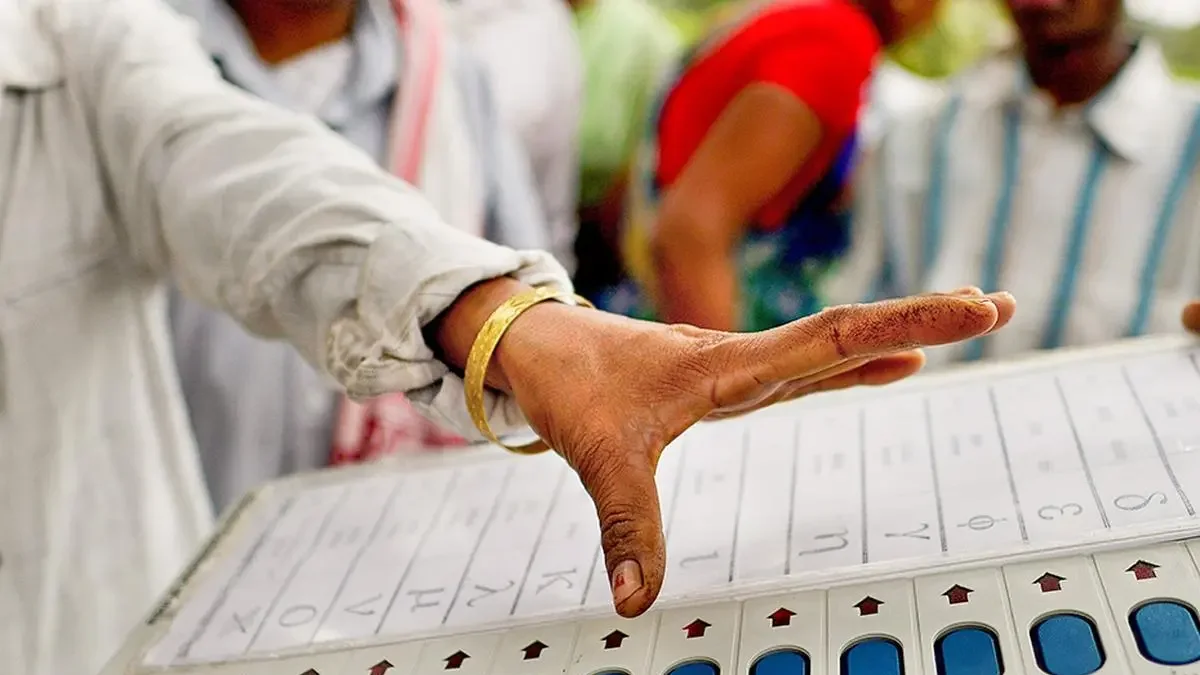
The Election Commission of India has put in place extensive arrangements for smooth and secure polling. There are 41,001 polling stations, including 39,301 main booths and 1,700 auxiliary ones. Of these, 8,845 are managed entirely by women, 13 by persons with disabilities, and 258 are model stations. Each booth is secured by four personnel, with webcasting at every station and CCTV monitoring at strong rooms. Special provisions have been made for senior citizens and PWD voters. Voters must carry a valid photo identity card, such as EPIC or Aadhaar, and mobile phones are not permitted inside booths. EVMs are being used with VVPAT verification.
Security measures are stringent. Central Armed Police Forces (CAPF) deployment includes around 2,400 companies, with additional forces to remain in the state for 60 days after the polls. In the days leading up to voting, authorities detained 2,473 potential troublemakers and seized 390 arms, 598 rounds of ammunition, over 1,300 crude bombs, and over 222 kg of explosives. Additionally, inducements worth Rs 532.88 crore have been confiscated since late February, and over 41,000 licensed weapons have been deposited.
The Special Intensive Revision (SIR) of electoral rolls has been a prominent issue, resulting in significant deletions in the phase 2 districts, including over 3.25 lakh in North 24 Parganas alone. This has particularly affected the Matua Namasudra community in North 24 Parganas and Nadia, amid pending Citizenship Amendment Act applications. The first phase of polling on April 23 recorded a high turnout of approximately 93.2 per cent. Election Commission officials, including special electoral roll observer Subrata Gupta, have expressed confidence in the arrangements and urged voters to surpass the previous phase’s participation.
Prime Minister Narendra Modi called for strong voter turnout, particularly among women and youth. BJP leader Sukanta Majumdar claimed the party was on course to form the government. The Election Commission has enforced a 100-metre restriction around polling booths, leading to the temporary closure of several eateries, and set up a toll-free helpline for grievances. Webcasting and body cameras further enhance transparency.
A public interest litigation was filed in the Supreme Court seeking the removal of a police observer in South 24 Parganas over allegations of bias. The Election Commission continues to monitor the process closely through micro-observers, webcams, and CCTV. No hourly voting percentages for phase 2 were available in early updates from The Times of India, as polling was still in initial stages.
-
-

-
-