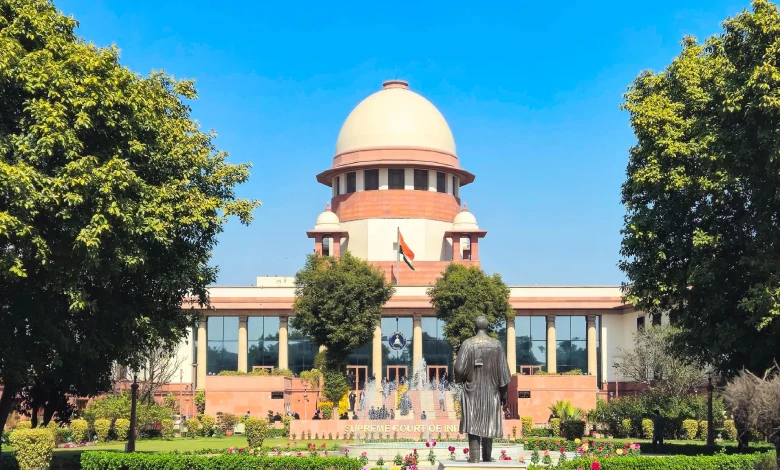
New Delhi: The Supreme Court on Monday questioned the Delhi Police over its preventive strategy following a series of rape and sexual assault cases in the national capital and adjoining areas, asking whether the force has a mechanism to continuously monitor vulnerable locations and respond quickly when trouble is reported.
A bench led by Justice J B Pardiwala stressed that policing cannot remain limited to action after a crime has taken place. The court said authorities must create a strong deterrent among people who are prone to committing sexual offences, using unusually blunt language to underline the urgency of prevention.
The court suggested that police attention should begin with areas around colleges where women students have complained of harassment. It also pointed to illegal eateries and places where anti social elements allegedly gather and consume liquor, asking authorities to examine such locations as potential trouble spots.
The judges also referred to the alleged gang rape of a 17 year old at Aastha Kunj Park in south Delhi. The park is located close to Lady Shri Ram College, where students had previously raised concerns over recurring harassment. The Supreme Court questioned why earlier warnings and complaints had not translated into preventive action.
The proceedings stem from the Supreme Court’s suo motu intervention on September 28 after reports of several disturbing incidents across Delhi-NCR. These included the alleged gang rape and murder of a teenage girl in Swaroop Nagar and the alleged sexual assault of a minor inside a moving sleeper bus that travelled more than 47 km from Greater Noida towards Delhi.
In its September order, the court said public places such as parks, roads, buses, metro stations and footbridges cannot become high risk zones because of poor lighting, inadequate surveillance or lax patrolling. It ordered authorities to audit vulnerable areas, including lighting and CCTV infrastructure, and examine existing safety mechanisms.
During Monday’s hearing, the court also sought information on the possibility of establishing a dedicated “war room” to monitor vulnerable pockets and coordinate rapid responses.
The Supreme Court’s intervention puts the spotlight on preventive policing in Delhi, with the court stressing that authorities must identify risks before crimes occur rather than relying solely on action after an offence has been committed.
The proceedings concern broader questions of public safety and policing. The guilt or innocence of individual accused persons will be determined separately through due process and trial.
ALSO READ: Special Intensive Revision of Voter Lists Strikes at Heart of Constitution, Says Supreme Court Judge
-

-

-

-