
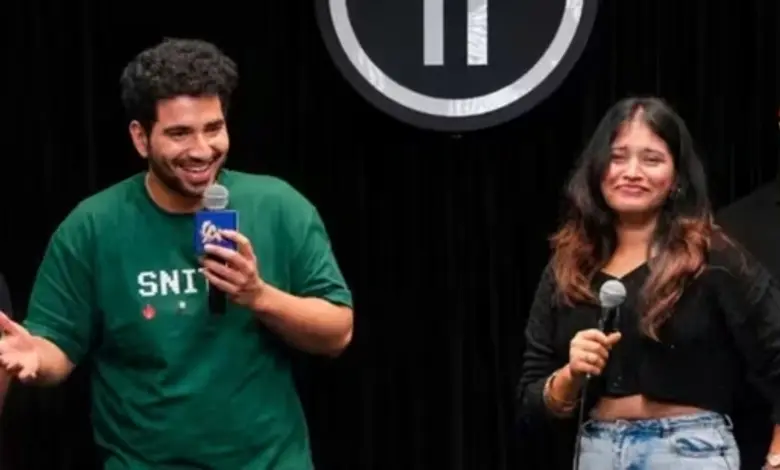
A teacher from Bihar named Sakshi Jha has reportedly been suspended from her position after making controversial statements during an appearance on a comedy show. The remarks, which drew significant public criticism, occurred in the third episode of the second season of the popular program hosted by comedian Samay Raina.
During her segment, Jha described herself as a “man-hater” and made statements about her intentions toward a future husband, including references to physical harm after drinking. She also expressed strong negative views toward men in general, which sparked widespread backlash and led to numerous memes and online discussions.
The episode became one of the most talked-about segments of the series. Jha received zero points from the judges for her performance. Clips from her audition spread rapidly across social media platforms, generating mixed reactions from viewers.
In response to the intense online trolling and personal attacks directed at Jha, Raina addressed the situation through his social media stories. He urged viewers to show kindness, acknowledging that while memes are common in internet culture, the individual behind the performance was facing real consequences. Raina credited Jha with contributing to a memorable episode and encouraged compassion rather than harassment.



ALSO READ : KEM Hospital Sends MBBS Student Sejal Pawar on 15-Day Leave Amid Pranit More Show Controversy
Reports indicate that the Bihar government took action against Jha due to the nature of her comments. However, no official confirmation or detailed statement regarding the suspension has been publicly released by authorities. The incident has highlighted ongoing debates about content boundaries in comedy shows and the responsibilities of participants, particularly those in public-facing professions such as teaching.
The controversy underscores the rapid speed at which online content can influence professional consequences. While some defended Jha’s attempt at humour, others criticised the tone and implications of her statements. As discussions continue, the case serves as an example of the intersection between entertainment, public opinion, and workplace accountability in the digital age.