
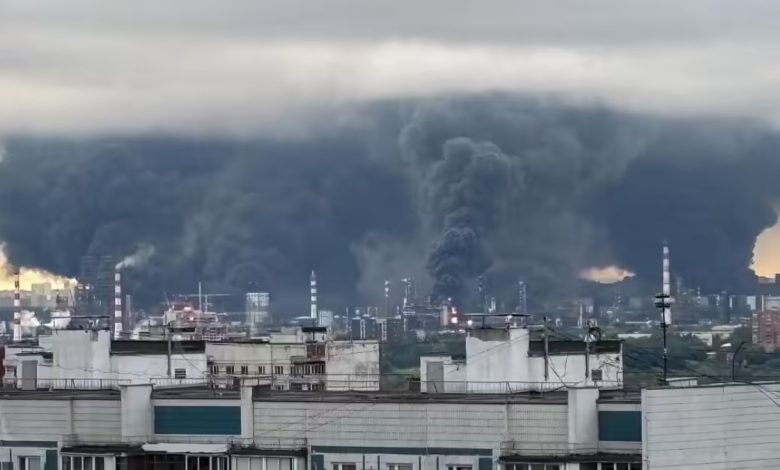
Russia has begun importing gasoline from India as fuel shortages spread across the country following repeated Ukrainian drone attacks on its energy infrastructure. It marks a rare shift for one of the world’s largest energy producers — instead of exporting fuel, Russia is now looking overseas to keep its domestic market supplied.
The shortages span Russia’s 11 time zones, with rationing, long queues at filling stations, and record gasoline price increases reported across several regions.
India steps in as Russia faces fuel shortages
According to Reuters, Russia has already started receiving gasoline shipments from India by sea. One industry source said at least 60,000 metric tons had been dispatched from India; another said two tankers, carrying between 30,000 and 40,000 tons each, had already been sent. It remains unclear which Indian refiner is supplying the fuel.
The imports follow the Kremlin’s confirmation this week that Moscow was in talks with several countries about buying fuel at acceptable prices to ease the shortages at home.



Drone attacks hit Russia’s energy network
The fuel crunch follows months of Ukrainian drone strikes targeting Russian oil refineries and energy facilities, which have disrupted refining operations and cut domestic fuel supplies nationwide.
Russia consumes more than 110,000 metric tons of gasoline a day during summer, when demand peaks. Moscow reportedly plans to import as much as 400,000 metric tons of gasoline every month from several countries until domestic supplies recover. Neighbouring Belarus has already stepped up exports to help close the gap.
Belarus also boosts supplies
Belarus has emerged as another key supplier. According to Reuters calculations, it nearly tripled its rail shipments of gasoline to Russia in the first half of June compared with the previous month, delivering more than 70,000 metric tons in that period.
Russia’s parliament has also approved changes to the country’s tax code to address the crisis, including subsidies for imported fuel tied to delivery costs from India.
Putin acknowledges shortages, downplays impact
President Vladimir Putin has acknowledged that Ukrainian attacks have caused fuel shortages in several Russian regions, telling ministers at a Kremlin meeting that the government was working to resolve the situation. He has separately maintained that the strikes have not affected Russia’s military campaign in Ukraine, and has called for a rapid expansion of Russia’s air defence capabilities to counter the rising number of drone attacks on oil facilities and other infrastructure.
Putin has also dismissed a Ukrainian proposal to limit long-range strikes, characterising it as an attempt by Kyiv to ease pressure on its own forces rather than move toward a genuine settlement. He has said Russia will continue pursuing its military objectives, including full control over four Ukrainian regions Moscow claims as its own. Earlier this month, Ukrainian President Volodymyr Zelenskyy proposed a face-to-face meeting with Putin, which the Russian leader rejected.
India-Russia energy ties grow stronger
The gasoline shipments come as India deepens its energy trade with Russia more broadly. Ship-tracking data from LSEG and Kpler showed India’s crude oil imports from Russia hit a record high in June, as Indian refiners increased purchases of discounted Russian crude following disruptions linked to the temporary closure of the Strait of Hormuz.
Russia accounted for more than half of India’s crude oil imports in June, up sharply from 36.5 per cent in May, according to Kpler data, with preliminary figures showing India importing around 2.7 million barrels of Russian oil per day during the month.